















Every day life often includes minor annoyances like spilled drinks and condensation rings on surfaces. A cup holder offers a simple fix, yet store-bought versions may not always meet particular needs in terms of size, style, or intended use. Making a cup holder allows for control over materials, dimensions, stability, and aesthetics, be it for a fast DIY project, a decorative item, or a product for customization or sale.
The guide will examine popular cup holder crafting methods, comparing their advantages and disadvantages. A practical approach using laser cutting will be explained for results that are clean, accurate, and easily replicated.

In this article:
- Part 1: Three Common Methods for Making a Cup Holder
- Method 1: Handcrafting
- Method 2: Laser Cutting
- Method 3: 3D Printing
- Part 2: 5 Practical Tips for Making a Perfect Cup Holder
- Part 3: FAQs about Making a Cup Holder
Part 1: Three Common Methods for Making a Cup Holder
There are lots of ways to craft a cup holder, from simple projects to using tech. What works best depends on your skills, tools, and what you have lying around.
Method 1: Handcrafting
Making a cup holder by hand is the first thought for many. You can grab simple things like wood, cardboard, cork, or foam. You will also want basic tools like a knife, saw, glue, or sandpaper.
The cool thing with making a cup holder by hand is that it's pretty easy. You can do it at home without spending much or needing fancy tools. It's good for quick projects, kids, or just for something to do. Still, it can be hard to get things just right. To get it looking good, take your time and try things out. It can also be tricky to make the same cup holder a bunch of times.
Method 2: Laser Cutting
Laser cutting is a modern, exact way to get cup holders made. You design it on a computer, and the laser cutter slices it out just how you want it. You can use many types of materials for it.
With laser cutting, it's simple to make:
- Wood cup holders with smooth sides that fit well.
- Acrylic cup holders that look modern, clear, or vibrant.
- Paper or cardboard cup holders that are light and easy to toss, and good for the planet.
The laser does not touch the material, so cuts are clean and the same each time. Also, you can add names, logos, or cool designs. This makes laser cutting a solid choice for gifts or making things for a company.
Method 3: 3D Printing
3D printing is another route to get cup holders, mostly if you've got a printer already. The printer makes the cup holder layer by layer, using plastic.
This is cool for making odd shapes or throwing in clips. But printing can take a bit, and the surface might need work when it's done. How it handles heat relies on the plastic you pick. So, it might not do well with hot drinks if you're not careful.
Comparison Table
| Method | Common Materials | Difficulty | Tools Needed | Cost Level | Time Required | Customization | Best For |
|---|---|---|---|---|---|---|---|
| DIY Handcrafting | Wood, cardboard, cork | Medium | Hand tools, glue | Low | Medium | Limited | Quick home projects |
| Laser Cutting | Wood, acrylic, paper | Low–Medium | Laser cutter, software | Medium | Short | Excellent | Precision & personalization |
| 3D Printing | PLA, PETG | Medium | 3D printer | Medium | Long | High | Complex shapes |
Which Cup Holder Making Method Is the Most Popular?
Laser cutting makes cup holder creation more flexible and practical in real-life making scenarios, especially in the following ways:
No special materials needed
Laser cutting lets you turn everyday materials into cup holders, such as cardboard, paper, acrylic, or wood. You can reuse what you already have instead of buying extra supplies.
High level of customization
You can freely design the shape, size, and structure of the cup holder. Laser cutting also allows you to engrave names, logos, patterns, or text directly onto the cup holder for a personalized look.
Repeatable and scalable production
Once the design is finished, the same cup holder can be cut repeatedly with a consistent size and quality. Designs can also be easily adjusted to fit cups of different diameters.
Clean and precise results
The laser follows the digital design exactly, producing smooth edges and accurate cuts without manual trimming or corrections.
Efficient for DIY and small batches
Laser cutting saves time and effort compared to hand-cutting, making it suitable for single projects, gifts, or small-batch production.
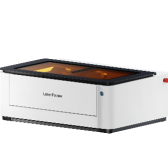
With a laser cutter like the LaserPecker LX2, you can create a cup holder design and replicate it flawlessly every time. The LX2 works with materials like wood, acrylic, and paper; you just tweak the settings instead of swapping tools. It's great for playing around with designs or making lots of identical holders.
Also, you can add custom touches. Besides cutting, laser engraving lets you put names, logos, or guides directly onto the cup holder. This cutting and engraving combo makes laser cutting great for gifts, events, cafes, or small shops.
How to Make a Cup Holder with LaserPecker LX2
Step 1: Measure Your Cup
Get the cup's diameter and height. For tapered cups, measure both the top and bottom so it fits well.
Step 2: Prep the Design
Make or bring in a vector file (SVG/DXF) for the cup holder in LX2. The design should have a ring or sleeve and a base to keep it steady.
Step 3: Load Your Material
Put your material (wood, acrylic, or cardboard) flat in the LX2. Keep it clean and supported to avoid bad cuts.
Step 4: Set Up Cutting
Change the laser power, speed, and focus based on how thick the material is. The LX2 lets you swap between cutting and engraving settings fast without changing tools.
Step 5: Do a Test Cut
Do a small test cut to be sure you get clean edges and a full cut before doing the whole job.
Step 6: Laser Cut the Pieces
Start the full cut. The LX2 will precisely cut all parts in one go, so the size is right for putting it together easily.
Step 7: Engrave If You Want To
Engrave designs, words, or logos on the cup holder before taking the material out of the machine.
Step 8: Put Together and Finish
Take out the parts, sand or peel off the film, put the pieces together, and see if your cup fits.
Part 2: 5 Practical Tips for Making a Perfect Cup Holder
Little choices in design and materials can really change how well your cup holder works and how long it'll last.
Tip 1: Measure the Cup Before You Make
Make sure to measure the cup you're using; don't just guess based on standard sizes. Even a little bit off can mess with how steady it is.
Tip 2: Choose Materials Based on Use
Laser cutting lets you try different materials, so you can match the holder to what it's for. Wood is good for the home or the office, acrylic looks cool in modern places, and paper holders are great for when you just need them for a bit or to promote something.
Tip 3: Smooth and Finish the Edges
Even if you cut perfectly, it helps to smooth the edges. Sand wood or shine up acrylic to make it look and feel better.
Tip 4: Keep the Design Simple
Crazy designs might look cool, but they can make the holder wobbly. Simple shapes usually work better and are easier to make.
Tip 5: Stability Comes First
A wide base, something grippy on the bottom, or some extra weight can keep it from tipping over. Always try it out with a full cup before you're done.
Part 3: FAQs about Making a Cup Holder
Q1. What is the best way to create a cup holder cover
Laser cutting is a cool way to go. It gets the size just right, and you can use wood, acrylic, or paper. Plus, you can etch designs or labels right onto it for a sweet look.
Q2. How to make a cup holder out of cardboard?
Grab some strong cardboard. Cut circles a bit smaller than your cup, and stack 'em up for extra strength. Laser cutting? It makes it way faster and more exact than doing it by hand.
Q3. Why does my cup holder keep tipping over?
That usually means the bottom is too skinny or the cup opening is too high up. Make the base wider or bring the weight down lower to keep it upright.
Q4. Can a homemade cup holder safely hold hot drinks?
Yes, if you pick materials that can take the heat, like wood or the right kind of acrylic. Don't use flimsy plastic or plain cardboard for super hot drinks, though.
Q5. How do I stop my cup holder from sliding on a table or desk?
Stick some cork, rubber feet, or a grippy backing on there. It'll stay put and save your table from scratches.
Conclusion
Making your own cup holder is a cool and useful project. It solves a common problem and lets you get creative. There are many ways to do it, from simple builds to fancy laser-cut designs.
The best method depends on what tools you have and what you want to achieve. Laser cutting is great because it's precise and works with different materials. It is also great for making it your own. If you plan well and pick the right method, you can make a cup holder that works well and looks great, too.