















Building a wooden chair looks simple, but once you begin, things get tricky. Measurements go wrong, joints become unstable, and the chair either rocks or doesn't look how you imagined. If you're new to woodworking, traditional methods mean expensive tools, a steep learning curve, and lots of errors. Even experienced woodworkers struggle to make identical copies, waste materials, and spend too much time cutting matching pieces.
This guide will present how to make a wooden chair. We'll compare traditional methods with laser cutting and see how makers can simplify the process without sacrificing strength or comfort.

In this article:
- Part 1: Two Common Ways to Make a Wooden Chair
- Method 1: Make a Wooden Chair via Woodworking
- Method 2: Make a Wooden Chair via Laser Cutting
- Part 2: Woodworking vs. Laser Cutting: Which Method is Best?
- Part 3: How to Make a Wooden Chair via Laser Cutting
- Part 4: Expert Tips for Building a High-Quality Wooden Chair
- Part 5: FAQs about Making a Wooden Chair
Part 1: Two Common Ways to Make a Wooden Chair
There are a couple of ways to build a wooden chair. You can go old school with hand tools and classic wood joining, or use laser cutters for quick, precise parts.
Each method? It just depends on what you're good at, what gear you have, and the final look you're after.
Method 1: Make a Wooden Chair via Woodworking
Making chairs by hand using old-school ways? It's more than work; it's an art people respect. It begins with picking the right wood and using tools to form each piece, like legs, supports, and the seat.
Then, these parts are put together, often using special joining methods or screws, to create a chair that works well and looks good. Craftspeople like doing it this way because they get to control every part of the chair's look, adding their own style.
A big plus of making chairs this way is that they last. If made with neat joints and good wood, these chairs can last for years. Oak and maple are favorites because they're strong. Lining up the wood grain right when putting it all together makes the chair even tougher. This helps the chair last longer.
But learning to make chairs the old way takes time and effort. Getting those joints just right means you need skill, good tools, and a steady hand. You might mess up, which can be pricey, especially with fancy woods. if you're just starting out, getting everything lined up can be annoying. Also, it takes a while to make each chair, so it's not the best way to make lots of chairs fast or try out wild new ideas. If you need to make chairs quickly or want to get creative, there are faster ways.
Method 2: Make a Wooden Chair via Laser Cutting
Laser cutting has transformed wooden chair-making. Now, you can design a chair on a computer, and a wood laser cutter will precisely cut all the pieces from wood. This accuracy means every part is exactly the same size, reducing assembly problems and allowing for interlocking or swappable parts.
It's also fast. Once your design is ready, the laser cutter can quickly make chair parts with little variation, which is great for large runs. It's not perfect. Very thick, hard wood may need extra passes, and laser-cut joints might require extra support. However, laser cutting works well for modern chair designs, especially plywood ones.
Laser cutting lets designers make detailed chairs. You can add patterns and details that would be hard to do by hand, leading to basic or artistic pieces. The digital part of laser cutting allows for easy changes. Designers can adjust a model and quickly create chairs with different sizes or features to fit specific needs. Before, wood was often joined with nails or glue. Laser cutting makes interlocking designs possible without extra fasteners, creating stronger, cleaner joints and using fewer materials.
This method can lower chair production costs, mainly for small batches. It reduces labor and waste, which benefits designers and small businesses that want to offer chairs at good prices.
Comparison: Woodworking vs. Laser Cutting
| Aspect | Traditional Woodworking | Laser Cutting |
|---|---|---|
| Precision | Depends on skill | Extremely high |
| Time Required | Long | Short once designed |
| Skill Level | Medium to high | Beginner-friendly |
| Repeatability | Difficult | Excellent |
| Customization | Manual shaping | Digital + engraving |
| Waste | Higher | Lower |
| Best For | One-off heirloom chairs | Modern, repeatable designs |
Part 2: Woodworking vs. Laser Cutting: Which Method is Best for Making a Wooden Chair?
The best method depends on what you're after. If you enjoy hands-on work and want to learn woodworking, traditional methods are ideal. It's rewarding, but it does take time to learn the skills.
Laser cutting offers several advantages when making wooden chairs that traditional tools cannot match:
Reason 1: High Precision and Consistency
Laser cutters can create intricate joints, curves, and patterns with millimeter-level accuracy. Unlike hand saws or routers, the cut pieces are identical every time, ensuring perfect alignment during assembly.
Reason 2: Complex Design Capability
With laser cutting, you can achieve detailed engravings, decorative patterns, or custom logos directly on chair parts. Traditional cutting tools struggle to achieve this level of detail without extensive manual work.
Reason 3: Speed and Efficiency
Laser cutting is fast, allowing you to cut multiple pieces quickly without manual effort. This is particularly useful for producing multiple chairs or repeating the same design accurately in small workshops.
Reason 4: Minimal Material Waste
The precision of a laser cutter reduces mistakes and scrap material. Hand tools are more prone to errors, leading to wasted wood or uneven cuts.
Reason 5: Integrated Engraving
You can engrave names, logos, or design elements directly during the cutting process. Conventional tools require a separate engraving step, often with extra equipment.
Reason 5: Safety and Ease of Use
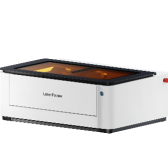
Laser cutting tools, especially desktop models like the LX2, offer enclosed work areas and automated cutting paths, reducing the risk of injury compared to power saws or manual tools.
For reliable results with less chance of mistakes, a laser cutter such as the LaserPecker LX2 might be your best bet. It allows you to cut chair pieces with great accuracy and incorporate engravings. This allows you to focus on assembly, finishing, and ensuring comfort.
Part 3: How to Make a Wooden Chair via Laser Cutting
Laser cutting isn't about ditching craftsmanship - it just changes things up. Instead of fighting to make the same cut over and over, you get to put more of your energy into the design, how it all fits together, and those final touches that make a chair really well-made.
Tools You Need - A Laser Cutter
If you're into making chairs, think about getting a desktop laser cutter that's good with wood. The LaserPecker LX2 is a solid option because it's both strong and accurate. It can cut thick wood (up to 22mm if you set it up correctly), which matters for chair parts that carry a lot of weight.
The LaserPecker LX2 cuts quickly, offering clean cuts on all your pieces. This means your chair legs and supports will all be exactly the same. It's built-in camera helps you line things up, so everything fits together properly. You can even use the same machine to add custom designs or words to the seat or back without moving anything.
Other tools you might need:
- Clamps for assembly
- Measuring tools
- Good ventilation or a filter system
Step-by-Step Guide to make a Wooden Chair with Laser Cutting
Step 1: Design Your Chair
Start by creating a digital design of your chair. Decide on the seat height and width, figure out the back angle, and plan how the legs will be built. Keep in mind the kerf, which is the small amount of material the laser removes-this ensures that joints fit together perfectly.
If you're not confident in designing or producing the chair's cutting files yourself, there are plenty of resources to help: you can browse Laser CraftZone for creative templates, join the LaserPecker Facebook Group to ask for advice and share ideas with other makers, or purchase ready-made chair cutting files on Etsy and customize them to fit your personal style. Using these resources can save time and reduce mistakes while still letting you create a unique piece.
Step 2: Ready the Wood
Choose flat and dry wood sheets. If you want to avoid burn marks on visible areas, apply masking tape to the wood.
Step 3: Set Up the LX2
Upload your design file into the software. Mark the cutting and etching paths separately. Adjust the power and speed based on the wood's thickness. Thicker wood might need slower speeds or multiple laser passes.
Step 4: Run a Test Cut
Before cutting all the pieces, do a test cut on scrap wood. This helps you check the joint fit and edge quality.
Step 5: Cut the Parts
Begin the complete cutting process. The LX2 ensures consistent parts, making assembly easier.
Step 6: Assemble the Chair
First, put all the parts together without glue to see how they fit. If it looks good, use glue or reinforce the joints as needed.
Step 7: Sand and Finish
Smooth out all edges and surfaces. Then, apply a finish to protect the chair and make it last.
Optional: Adding Personalized Engraving
Laser engraving lets you personalize a wood chair without changing how it's built. You can add names, dates, designs, or logos to the seat or back. Since the LX2 combines cutting and engraving, things line up well, even on chairs that are already put together.
Part 4: Expert Tips for Building a High-Quality Wooden Chair
Making a nice-looking wooden chair is different from making one that's comfy, sturdy, and lasts. When you go from simple crafts to real furniture, the small stuff matters way more than beginners think. Here are some tips about strength, comfort, and how it looks—the things that make a chair people want to sit on.
Tip 1: Design for Kerf and Tolerance Control
Laser cutting melts away a bit of material. If you don't think about it, parts might not fit right. When planning chair pieces, change the design to make up for this width issue, mainly for legs and seat parts. A super tight fit might seem good on the computer, but it could fail if you don't adjust. Check one piece first to save time.
Tip 2: Minimize Laser Charring and Burn Marks
Burn marks happen when laser cutting thick wood, but here is a way to fix them. Use tape, change how fast you cut, and select the correct power to avoid burns. A bit of sanding helps, but much burn goes deep and is hard to remove. Cleaner cuts look better and save time before you seal or paint.
Tip 3: Prioritize Ergonomics in Your Design
A wooden chair is something people sit in for a while. How high the seat is, the back angle, and leg space all matter for comfort. Beginners tend to focus on looks and forget what feels good. A low seat can hurt your knees, and a straight back is not good. Even when the parts are laser cut, use standard chair sizes to improve the result.
Part 5: FAQs about Making a Wooden Chair
Q1. How To Handle Smoke And Odor During Cutting?
When you're laser cutting wood, smoke and odors are natural byproducts, but they can be managed effectively. Proper airflow is key: setting up a fan or ventilation system helps remove smoke and prevent it from lingering indoors. Using clean, dry wood also reduces the amount of smoke produced. After cutting, letting your pieces air out a little before finishing helps eliminate any residual odors.
For those using the LX2 desktop laser cutter, you don't need to worry about this at all. The LX2 can be paired with the LX2 Desktop Smoke Purifier, which efficiently filters smoke and odors during cutting. This makes indoor operation safe and clean, even in small studios, classrooms, or workshops. The purifier ensures that your workspace stays fresh, letting you focus entirely on your project without dealing with unpleasant smoke or lingering smells.
Q2. What Is A Good Width For A Chair?
Most chairs are around 16 to 18 inches wide at the seat. This gives you room to sit comfortably without the chair feeling huge or unstable. If you're planning on sitting for a while, go for a slightly wider seat with rounded edges-way more comfy. Proportions are also important. It helps spread your weight evenly.
Q3. Which Kind Of Wood Is Best For Making a Chair?
If you want a chair that lasts, go with strong woods like birch, maple, or oak. Plywood is also popular for laser cutting because it holds its shape. Softer woods are easier to cut but can get damaged quickly. Find that sweet spot where strength, looks, and ease of cutting all meet.
Conclusion
Building a wooden chair is tricky; it mixes design, how things work, and skill. Old-school woodworking gives you something that lasts, but laser cutting? That's all about getting things just right, saving time, and making it your own.
If you plan well and use tools like the LaserPecker LX2, you can put together chairs that look good, feel good, and hold up-no need to overthink it.