















Custom buttons, though small, can greatly influence a project. They provide control over both practical use and appearance in clothing, accessories, merchandise, and handmade items. Instead of using standard options, you can adjust the button's size, shape, material, and details to fit your specific needs.
Currently, various techniques exist for making custom buttons, ranging from basic hand tools to advanced digital processes. Each method fits different budgets, needs, and production amounts.
This guide presents an overview of common ways to make custom buttons.. It then goes into the details of laser engraving and cutting, a popular choice for beginners, makers, and small businesses.

In this guide:
- Part 1: 5 Popular Methods for Making Custom Buttons
- Method 1: Hand Sewing
- Method 2: 3D Printing
- Method 3: Molding
- Method 4: Laser Engraving
- Method 5: Laser Cutting
- Part 2: Why Laser Engraving & Cutting are Good Ways for Making Custom Buttons
- Part 3: How to Make Custom Buttons via Laser Engraving and Cutting
- FAQs: Hot Questions about Making Custom Buttons
Part 1: 5 Popular Methods for Making Custom Buttons
There isn't just one right way to make buttons. The best way depends on how many you need, what they are to be made of, and the amount of detail you want.
Method 1: Make Custom Buttons via Hand Sewing
Hand sewing is a simple and traditional way to create decorative fabric buttons. In this method, fabric is wrapped around a small base or stuffing and stitched together to form a button shape. It is commonly used for clothing, crafts, and textile decorations.
This technique allows makers to use different fabrics, colors, and textures to match garments or craft projects. While it is inexpensive and flexible, it requires patience and careful stitching to achieve neat and durable results.
Hand Sewing Steps
- Cut a small circle of fabric slightly larger than the desired button size.
- Place a small base, padding, or button mold in the center of the fabric.
- Fold the fabric edges inward around the base.
- Sew around the edges with a needle and thread, pulling the thread tight to secure the fabric.
- Tie off the thread and attach the finished button to your garment or project.
Method 2: Make Custom Buttons via 3D Printing
3D printing is a modern way to create custom buttons by building them layer by layer from a digital design. Using a 3D printer and design software, you can produce buttons in different shapes, sizes, and patterns that would be difficult to make by hand.
This method allows for high customization. Makers can create unique textures, logos, or complex designs directly in the model before printing. Common materials include PLA, ABS, or resin, depending on the type of 3D printer used.
3D printing works well for prototyping or producing small batches of custom buttons. However, it requires access to a 3D printer and some basic knowledge of 3D modeling software.
3D Printing Steps
- Create a button design using 3D modeling software.
- Export the design as a printable file (such as STL).
- Import the file into slicing software and adjust print settings.
- Load filament or resin into the 3D printer.
- Print the button and allow it to finish completely.
- Remove the printed button and clean or sand the surface if needed.
Method 3: Make Custom Buttons via Molding
Molding is a process where button shapes are formed using molds, typically with materials such as plastic or resin. Injection molding is a more advanced industrial version of this method and is commonly used for mass production.
These techniques produce highly consistent results and are ideal for large-scale manufacturing. However, they require molds, specialized machines, and higher upfront costs, making them less suitable for small batches or one-off custom designs.
Molding & Injection Molding Steps
- Create or obtain a mold for the button shape.
- Prepare the plastic or resin material.
- Pour or inject the material into the mold while avoiding air bubbles.
- Allow the material to cool or cure until hardened.
- Remove the button from the mold, then trim and smooth the edges.
Method 4: Make Custom Buttons via Laser Engraving
Laser engraving focuses on adding surface details rather than cutting the overall shape. A laser beam removes or darkens the surface layer of materials such as wood, acrylic, leather, or coated metal to create text, patterns, or logos.
This method is ideal when you already have button blanks and want to personalize them with branding, decorative patterns, or identification marks. Laser engraving produces precise and durable designs, making it a popular choice for customized or branded buttons.

Source: LaserPecker LP4 Group
Method 5: Make Custom Buttons via Laser Cutting
Laser cutting uses a highly focused laser beam to cut button shapes directly from materials. Based on a digital design file, the laser can accurately cut outlines, create thread holes, and produce detailed shapes with clean edges.
When combined with laser engraving, this method allows makers to produce fully customized buttons. You can design the button shape, add holes, and engrave decorative details all in a single workflow, making it an efficient solution for both small projects and batch production.
Comparison Table of Button Making Methods
| Method | Precision | Materials | Setup Cost | Batch Consistency | Custom Detail Level | Best For |
|---|---|---|---|---|---|---|
| Hand Sewing | Low | Fabric, thread, textile | Very Low | Low | Low–Medium | DIY craft buttons |
| 3D Printing | High | PLA, ABS, resin | Medium | High | Very High | Custom shapes & prototypes |
| Molding / Injection | Very High | Plastic, resin | High | Very High | Medium | Mass production |
| Laser Engraving | Very High | Wood, acrylic, leather, metal | Medium | Very High | High | Adding details to blanks |
| Laser Cutting | Very High | Wood, acrylic, leather, cardboard | Medium | Very High | Very High | Custom shapes & small batches |
Part 2: Why Laser Engraving & Cutting Are Effective Methods for Making Custom Buttons
Among the many ways to make custom buttons, laser engraving and laser cutting stand out because they combine precision, flexibility, and efficiency. These technologies use a focused laser beam controlled by a digital design file, allowing makers to produce detailed and consistent results that are difficult to achieve with manual tools.
Laser engraving is ideal for adding decorative details such as logos, text, patterns, or textures to button surfaces. It works well on materials like wood, acrylic, leather, and coated metals, creating clean and durable markings without damaging the surrounding material.
Laser cutting, on the other hand, focuses on shaping the button itself. It can accurately cut outlines, thread holes, and intricate shapes directly from materials such as plywood, acrylic sheets, leather, or cardboard. The edges produced by laser cutting are typically smooth and precise, which reduces the need for additional sanding or finishing.
When engraving and cutting are combined, makers can produce fully customized buttons in a single workflow. The laser can first engrave decorative designs and then cut the final button shape, ensuring that every piece is consistent and accurately aligned with the digital design.
Another major advantage of laser technology is repeatability. Once a design file is prepared, the same button can be produced multiple times with nearly identical results. This makes laser engraving and cutting suitable not only for personal DIY projects but also for small-batch production, craft businesses, and custom merchandise.
Part 3: How to Make Custom Buttons via Laser Engraving and Cutting
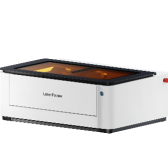
Laser engraving and laser cutting are popular methods for making custom buttons because they combine precision with creative flexibility. A laser engraver and cutter like LaserPecker LX2 uses a focused beam controlled by a digital design file, allowing makers to produce clean shapes, detailed patterns, and consistent results. This makes the process suitable for both beginners and experienced creators who want professional-quality buttons without complicated manufacturing equipment.
Materials for Laser-Cut Buttons
Several materials work well for laser-cut buttons, each offering a different look and texture.
- Wood – Plywood, basswood, and bamboo are commonly used for natural-looking buttons.
- Acrylic – Available in many colors and finishes, acrylic creates smooth and modern buttons.
- Leather – Vegetable-tanned leather works well for engraved decorative buttons.
- Cardboard – Lightweight and suitable for craft projects or temporary buttons.
The material you choose will influence the appearance, durability, and style of the final button.
Tools Needed
To make custom buttons with a laser cutter, you will need a few basic tools and software.
- Laser cutter – A machine capable of both engraving and cutting.
- Vector design software – Programs that support SVG or DXF files.
- Finishing tools – Fine sandpaper or polishing pads.
- Optional finishing materials – Oil, wax, or sealant to enhance durability and appearance.
Design Guidelines
Good design preparation helps ensure that buttons are functional and durable.
- Typical button sizes range from 10 mm to 30 mm.
- Thread holes are usually 2–4 mm in diameter for easy sewing.
- Leave enough space between holes and edges to prevent breakage.
- Use vector files for cutting paths and separate layers for engraving.
- Test tolerances if buttons will be stacked or attached to fabric.
Step-by-Step Process
1: Create the design
Design the button shape, thread holes, and engraving details using vector design software.
2: Prepare the material
Place the material flat on the laser bed and secure it to prevent movement during cutting.
3: Adjust laser settings
Set the appropriate power and speed based on the material type and thickness.
4: Engrave the design
Engrave any text, logos, or decorative patterns before cutting the button shape.
5: Cut the button shape
Use the laser cutter to cut the outer shape and thread holes according to the design file.
6: Finish the button
pghtly sand the edges, clean off residue, and apply oil, wax, or sealant if desired.
FAQs: Hot Questions about Making Custom Buttons
Q1: What is the best material for custom buttons?
Wood and acrylic are among the most popular materials for custom buttons because they are durable and visually appealing. Wood offers a natural, textured look, while acrylic provides a smooth surface and comes in many colors. Leather is another good option if you want buttons that are soft, flexible, and slightly textured.
Q2: Can laser engraving be used for metal buttons?
Yes, laser engraving can be used on metal buttons, especially if the metal has a coating or is compatible with the type of laser being used. Certain lasers, such as infrared or fiber lasers, are particularly effective for marking metals. The final result depends on the material and the laser technology available.
Q3: Are laser-engraved buttons durable?
Yes. Laser engraving removes or alters the surface layer of the material itself, creating marks that are much more durable than printed designs. Because the design becomes part of the material rather than sitting on top of it, laser-engraved buttons are generally resistant to fading and wear.
Q4: What is the cost of creating custom buttons?
The cost of making custom buttons varies depending on the method used, the materials chosen, and the number of buttons produced.
- Handmade Cutting & Assembly: This is usually the lowest-cost option for beginners. Basic tools and materials are inexpensive, but the time required increases significantly when producing many buttons by hand.
- Printed Buttons: Printing is affordable for small to medium batches. Costs mainly include printing materials, protective coatings, and button backs. While economical, printed designs may wear out faster over time.
- Molded or Injection-Molded Buttons: This method has the highest upfront cost because molds must be manufactured. However, once the mold is created, the cost per button becomes very low, making it suitable for large-scale production.
- Laser Engraving and Laser Cutting: Laser-based methods are cost-efficient for custom designs and small batches. There is no mold cost, and materials like wood or acrylic are relatively affordable. Although the laser machine requires an initial investment, it provides high precision and flexibility for personalized button production.
Conclusion
Custom buttons can be created using many different methods, from simple handmade techniques to advanced digital manufacturing. Traditional approaches like hand sewing or molding are useful for craft projects or large-scale production, while newer technologies such as 3D printing and laser processing provide more flexibility and precision.
Among these options, laser engraving and laser cutting stand out for their ability to produce clean shapes, detailed designs, and consistent results. With a digital design file and the right materials, makers can create personalized buttons in a wide range of styles, sizes, and materials.
Whether you are making a few buttons for a DIY craft project or producing small batches for a creative business, choosing the right method depends on your design goals, budget, and available tools. By understanding the strengths of each technique, you can select the approach that best fits your needs and start creating custom buttons that are both functional and visually unique.