














Fridge magnets may be small, but they can be both practical and decorative. They can hold notes and photos on your refrigerator, add personality to your kitchen, or preserve special memories.
Whether you're making them as DIY gifts, home decorations, or products for a small craft business, there are many ways to create custom fridge magnets. Each method offers different materials, tools, and levels of detail.
In this guide, we'll explore several effective methods to make fridge magnets and then walk through a simple laser-based approach that beginners can follow.

In this guide:
- Part 1: 6 Popular Methods for Making Fridge Magnets
- Method 1: Manual Cutting
- Method 2: Using Magnet Making Machine
- Method 3: Using Cricut
- Method 4: 3D Printing
- Method 5: Resin Molding
- Method 6: Laser Engraving and Laser Cutting
- Part 2: Why Laser Engraving & Cutting is Good Way for Making Fridge Magnets
- Part 3: How to Make Fridge Magnets with Laser Engraving and Laser Cutting
- FAQs: Hot Questions about Making Fridge Magnets
Part 1: 6 Popular Methods for Making Fridge Magnets
Method 1: Make Fridge Magnets via Manual Cutting
Manual cutting is one of the simplest and most traditional ways to make fridge magnets. In this method, shapes are cut from materials such as wood, cardboard, foam, or felt, then decorated and attached to small magnets.
This approach is beginner-friendly and requires only basic craft tools. However, the final quality and precision depend largely on the maker's cutting and crafting skills.
Steps to Make a Fridge Magnet with Handmade Cutting
- Sketch your magnet design on the chosen material, such as wood, cardboard, or felt.
- Cut out the shape using scissors or a craft knife.
- Decorate the piece with paint, markers, stickers, or other craft materials.
- Glue a small magnet to the back of the finished piece.
This method works best for simple shapes and small DIY craft projects.
Method 2: Make Fridge Magnets with Magnet Making Machine
Using a magnet making machine is a fast and efficient way to produce custom fridge magnets. This method typically involves printing a design on paper or vinyl, placing it into a magnet press or badge machine, and sealing it with a magnetic backing.
Magnet making machines are commonly used for promotional magnets, photo magnets, and souvenir products because they can produce consistent results quickly.
Steps to Make Fridge Magnets with a Magnet Making Machine
- Create your design using graphic design software.
- Print the design on paper or vinyl and cut it to the correct size.
- Place the printed design and protective layer into the machine mold.
- Press the machine to attach the layers together.
- Add the magnetic backing to complete the fridge magnet.
This method works best for making multiple magnets with the same design and is widely used for batch production.
Method 3: Make Fridge Magnets with a Cricut Machine
A Cricut machine is a popular cutting tool used for DIY crafts, including custom fridge magnets. It uses digital design files to cut shapes from materials such as vinyl, cardstock, thin wood sheets, or magnetic sheets with high precision.
This method is great for creating decorative magnets with detailed shapes or layered designs. However, it requires compatible materials and basic knowledge of Cricut design software.
Steps to Make Fridge Magnets with a Cricut Machine
- Create or upload your design in Cricut Design Space.
- Select the material you want to cut, such as vinyl, cardstock, or magnetic sheets.
- Load the material onto the cutting mat and place it into the Cricut machine.
- Let the machine cut the shapes according to the digital design.
- Attach the cut design to a magnet backing if needed.
This method works well for detailed designs and small batches of customized fridge magnets.
Method 4: Make Fridge Magnets via 3D Printing
3D printing is a modern way to create custom fridge magnets by building objects layer by layer from a digital model. With a 3D printer, you can produce magnets in unique shapes, raised patterns, or detailed designs that may be difficult to achieve with traditional cutting methods.
This method works well for creating decorative magnets, logos, or miniature figures. However, it requires access to a 3D printer and basic knowledge of 3D modeling or slicing software.
Steps to Make Fridge Magnets with 3D Printing
- Create or download a 3D magnet design using modeling software.
- Export the file in a format such as STL.
- Import the model into slicing software and adjust print settings.
- Print the magnet shape using a 3D printer.
- Attach a small magnet to the back of the printed piece.
3D printing is ideal for making customized or complex magnet designs in small batches.
Method 5: Make Fridge Magnets via Resin Molding
Resin molding is a popular craft method for making decorative fridge magnets. In this process, liquid resin is poured into silicone molds to create shapes, designs, or small decorative pieces. Once the resin cures and hardens, a magnet can be attached to the back.
This method allows makers to add colors, glitter, dried flowers, or small objects inside the resin, creating unique and visually appealing magnets. However, resin crafting requires proper mixing, curing time, and good ventilation.
Steps to Make Fridge Magnets with Resin Molding
- Prepare a silicone mold in the desired shape.
- Mix the resin according to the manufacturer's instructions.
- Pour the resin into the mold and add decorative elements if desired.
- Allow the resin to cure completely.
- Remove the piece from the mold and glue a magnet to the back.
Resin molding is ideal for creating colorful, decorative magnets with unique textures and embedded designs.
Method 6: Make Fridge Magnets via Laser Engraving and Laser Cutting
Laser engravers and laser cutters are powerful tools for creating custom fridge magnets with precise shapes and detailed designs. These two techniques work together to produce magnets that are both visually appealing and consistent in quality.
Laser cutting is used to create the base shape of the magnet from materials such as wood, acrylic, MDF, or cardboard. The laser follows a digital design file, allowing complex shapes and clean edges to be produced with high precision.
After the base piece is prepared, laser engraving can add decorative details directly onto the surface. This includes patterns, text, names, logos, illustrations, or even QR codes, making each magnet more personalized and unique.
After engraving or cutting, the magnetic backing must be attached to complete the fridge magnet. Two common methods are:
- Groove Method: Cut a shallow groove on the back of the magnet piece and insert a strip magnet so it sits flush with the surface.
- Adhesive Method: Use adhesive-backed magnetic sheets or discs. Simply peel off the protective layer and stick the magnet to the back of the finished piece.
This method is ideal for creating customized magnets with precise shapes and detailed designs, making it suitable for DIY projects, gifts, or small craft businesses.
Comparison Table of Fridge Magnets Making Methods
| Method | Precision | Materials | Setup Cost | Batch Consistency | Custom Detail Level | Best For |
|---|---|---|---|---|---|---|
| Manual Cutting | Low | Wood, cardboard, foam, felt | Very Low | Low | Medium | Simple DIY projects |
| Magnet Making Machine | Medium | Paper, vinyl, metal backs | Medium | High | High (printed graphics) | Promotional magnets |
| Cricut Machine | High | Vinyl, cardstock, thin wood | Medium | High | High | Craft designs |
| 3D Printing | High | PLA, ABS, resin | Medium | High | Very High | Complex shapes |
| Resin Molding | Medium | Epoxy resin, silicone molds | Low | Medium | High | Decorative magnets |
| Laser Engraving & Cutting | Very High | Wood, acrylic, MDF | Medium | Very High | Very High | Custom magnets & small business |
Part 2: Why Laser Engraving & Cutting is a Good Way for Making Fridge Magnets
Laser engraving and laser cutting are increasingly popular methods for making custom fridge magnets because they offer a strong combination of precision, efficiency, and design flexibility. Compared with manual crafting or traditional cutting methods, laser technology allows makers to create clean shapes and detailed designs with minimal effort.
Reason 1: High Precision for Small Designs
Fridge magnets are usually small, which means fine details matter. Laser engraving can accurately create patterns, text, logos, or decorative textures on materials such as wood, acrylic, or MDF. This level of precision makes it easy to produce magnets with professional-looking results.
Reason 2: Fast and Efficient Production
Once the design file is prepared, a laser machine can process multiple magnets quickly and consistently. Both engraving and cutting can be done within the same workflow, which reduces manual work and speeds up production.
Reason 3: Flexible Material Options
Laser machines work with many materials commonly used for fridge magnets, including wood, plywood, MDF, acrylic, cardboard, and leather. This allows creators to experiment with different textures, colors, and styles when designing magnets.
Reason 4: Easy Customization
Because laser machines follow digital design files, it is easy to customize each magnet. Makers can add names, logos, illustrations, or unique patterns without needing additional tools or molds.
Reason 5: Consistent Results
Laser engraving and cutting ensure that each magnet is produced with the same shape and level of detail. This consistency is especially useful for small craft businesses or creators who want to produce multiple magnets with identical designs.
Overall, laser engraving and cutting provide a reliable and efficient way to create customized fridge magnets with high-quality results.
Recommended Laser Cutter / Engraver for Making Fridge Magnets
If you want to create detailed and professional-looking fridge magnets, using a laser engraver can greatly improve both precision and efficiency. A reliable machine can cut clean shapes, engrave detailed patterns, and produce consistent results for multiple magnets.
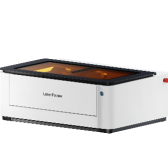
One excellent option is the LaserPecker LX2, a powerful desktop laser cutter and engraver designed for DIY creators and small craft businesses.
LaserPecker LX2 Key Advantages for Fridge Magnet Projects:
- High Precision Engraving: The LX2 can engrave detailed text, patterns, or logos on materials like wood, acrylic, leather, and coated metals.
- Large Working Area: With a workspace of about 500 × 305 mm, it allows multiple magnets to be processed in one batch.
- Fast Processing Speed: The machine supports engraving speeds up to 1000 mm/s, helping creators produce magnets quickly and efficiently.
- Swappable Laser Modules: The LX2 supports interchangeable 20W, 40W, and infrared laser modules, allowing it to work with different materials and engraving tasks.
- Camera-Assisted Alignment: A built-in camera helps accurately position designs on the material, ensuring that engraved details line up perfectly.
- Safe and Enclosed Design: The LX2 features a fully enclosed system with multiple safety protections, making it suitable for home workshops and studios.
Part 3: How to Make Fridge Magnets with Laser Engraving and Laser Cutting
This section explains how to create a wooden fridge magnet—such as a holiday decoration—using a LaserPecker LX2 laser cutter. By combining engraving and cutting in one workflow, you can produce magnets with clean shapes and detailed designs.
What You'll Need
- Thin plywood or basswood (2–4 mm thickness works well)
- Small magnets (round, rectangular, or strip magnets)
- Adhesive-free option: design a recessed slot on the back for press-fit magnets
- Glue option (optional): epoxy or super glue for surface mounting
- Vector design software for creating cutting outlines and engraving details
- Laser cutter / engraver: LaserPecker LX2
- Optional finishing tools: sandpaper, wood oil, or paint
Step-by-Step Guide
Step 1: Design Your Magnet
Create a digital design for your fridge magnet using vector design software. The design can be a simple shape, an illustration, or a decorative frame. Make sure engraving elements (text, patterns, images) are placed on a separate layer from the cutting lines.
Step 2: Prepare the Wood
Place the wood sheet flat on the LX2 work surface. Use the built-in camera to position the design accurately on the material, especially if you want to align the design with the natural wood grain.
Step 3: Adjust Laser Settings
Set the laser power and speed according to the thickness of the wood. Engraving typically uses lower power and higher speed, while cutting requires higher power or slower speed. Run a small test on scrap wood if needed.
Step 4: Engrave and Cut
If your design includes engraved details, engrave them first to keep the material stable. After engraving is complete, cut the outer shape of the magnet according to the design file. If the design only requires cutting, you can run the cutting process directly.
Step 5: Finish the Surface
Lightly sand the edges to remove any rough areas. You can also apply wood oil, paint, or clear finish to enhance the appearance, or leave the natural wood texture for a rustic look.
Step 6: Attach the Magnet
- Glue method: Attach the magnet to the back using epoxy or super glue and center it for proper balance.
- Press-fit method: If you designed a recessed slot, insert the magnet into the slot so it sits flush with the surface.
This workflow works well for themed magnets, seasonal decorations, personalized gifts, or batch production where each magnet needs to look consistent.
FAQs: Hot Questions about Making Fridge Magnets
Q1: What Materials Are Best for Making Fridge Magnets?
Fridge magnets can be made from a wide range of materials, including wood, acrylic, cardboard, resin, and printable magnetic sheets. Wood and acrylic are especially popular for laser-based projects because they are easy to process and produce clean, detailed results. The best material depends on the design style and durability you want for the finished magnet.
Q2: Are Laser-Cut Fridge Magnets Safe to Make at Home?
Yes. Laser engraving and cutting can be safely used in a home workshop or maker space when proper safety practices are followed. Make sure your workspace has good ventilation and always follow the recommended settings for the materials you are using.
Q3: What Glue Works Best for Attaching Magnets?
For a strong and reliable bond, epoxy or cyanoacrylate (commonly known as super glue) works very well. These adhesives provide a secure hold and are especially useful when attaching heavier magnets to wooden or acrylic pieces.
Conclusion
Making custom fridge magnets is a fun and creative project that can be done using many different methods. From simple manual cutting to resin molding, 3D printing, and Cricut crafting, each method offers its own advantages depending on your tools, materials, and desired design.
However, laser engraving and laser cutting stand out as one of the most versatile and precise options. With a laser cutter like the LaserPecker LX2, makers can quickly create detailed shapes, engrave patterns or text, and produce magnets with consistent quality.
Whether you're creating magnets as DIY gifts, home decorations, or small craft products, combining the right materials with the right tools makes the process easier and more enjoyable. With a little creativity, you can turn simple designs into unique fridge magnets that add personality to any space.