















Label engraving machines are used to create durable markings, serial numbers, logos, barcodes, and identification labels on materials such as metal, plastic, acrylic, and wood.
Different engraving technologies offer different advantages in terms of precision, speed, durability, and material compatibility. In this guide, we will compare the main types of label engraving machines and explain how to choose the best option for your needs.

In this article:
- Part 1: What Are Label Engraving Machines Used For
- Part 2: Common Materials for Label Engraving
- Part 3: 3 Types of Label Engraving Machines
- Type 1: Routing Machines for Label
- Type 2: Dot Peen Marking Machines for Label
- Type 3: Laser Engraving Machines for Label
- Part 4: Why Laser Engraving Machines Are Best for Label Making
- FAQs: Hot Questions about Label Engraving Machines
Part 1: What Are Label Engraving Machines Used For?
Label engraving machines are used to create permanent markings, text, numbers, logos, barcodes, and symbols on different types of labels and plates. These machines are commonly used in industries that require durable identification, product tracking, safety labeling, and branding.
Engraved labels are often preferred over printed labels because they are more resistant to scratches, moisture, heat, chemicals, and outdoor environments. Depending on the machine type, label engraving can be performed on materials such as metal, plastic, acrylic, wood, leather, and coated surfaces.
Label engraving machines are widely used for:
- Industrial equipment labels
- Electrical panel labels
- Asset tags and serial number plates
- Nameplates and badges
- Barcode and QR code marking
- Custom branding and logo engraving
- Safety and warning signs
Different engraving technologies are designed for different materials, precision levels, and production needs. Common options include CNC routers, dot peen marking machines, and laser engraving machines.

Part 2: Common Materials for Label Engraving
Label engraving machines can work with a wide range of materials depending on the engraving technology and application requirements. Different materials offer different levels of durability, appearance, flexibility, and resistance to heat, moisture, chemicals, or outdoor environments.
Below are some of the most common materials used for engraved labels:
Metal
Aluminum, stainless steel, brass, and anodized metal are commonly used for industrial labels, nameplates, and equipment tags. Metal labels are durable and resistant to heat, chemicals, and outdoor conditions.
Plastic
Plastic engraving sheets are widely used for electrical labels, indoor signage, control panels, and identification tags. They are lightweight, affordable, and available in multiple colors and thicknesses.
Acrylic
Acrylic is popular for decorative labels, branding plates, display signs, and custom tags. It offers clean engraving results and can create a polished professional appearance.
PLA
PLA is commonly used for 3D printed labels, tags, and custom signage. It is easy to process, available in many colors, and suitable for laser engraving or marking on certain coated or painted surfaces.
Wood
Wooden labels are commonly used for handmade products, packaging, craft branding, and decorative applications. Laser engraving can create natural-looking textures and detailed designs on wood surfaces.
Leather
Leather labels are often used for fashion products, handmade goods, bags, and accessories. Engraving creates a premium and personalized appearance on natural or synthetic leather materials.
Part 3: 3 Types of Label Engraving Machines
Different label engraving machines use different technologies to create markings on various materials. Each machine type offers unique advantages in terms of precision, speed, durability, material compatibility, and production workflow.
Below are three of the most common types of label engraving machines used for industrial and custom engraving applications.
Type 1: Routing Machines for Labels
Routing machines use rotating cutting bits to carve text, numbers, logos, and shapes into materials such as plastic, wood, acrylic, and metal plates. These machines are commonly used for industrial labels, signage, and engraved nameplates.
CNC routing machines follow digital design files to create precise engraved patterns and cutouts. They are suitable for thicker materials and can produce durable engraved labels with consistent depth and accuracy.
Pros
- Good Material Versatility: Can engrave plastic, wood, acrylic, and some metals.
Cons
- Slower Than Laser Engraving: Mechanical cutting can take more time for detailed designs.
- Tool Wear: Cutting bits gradually wear down and require replacement.
- Lower Detail Precision: Fine details and very small text may be harder to produce compared with lasers.
Type 2: Dot Peen Marking Machines for Label
Dot peen marking machines use a vibrating metal pin to create dots on the material surface, forming text, serial numbers, barcodes, and logos. This method is commonly used for industrial labels, metal tags, equipment identification, and traceability marking.
The machine follows digital coordinates to punch small dots into the material surface with high durability. Dot peen marking is especially suitable for metal labels and applications that require permanent markings resistant to wear and harsh environments.
Pros
- Good for Metal Labels: Commonly used for steel, aluminum, and industrial identification plates.
- Low Operating Cost: Does not require ink, chemicals, or laser sources.
Cons
- Limited Detail Quality: Fine graphics and small decorative details are harder to produce.
- Noisy Operation: The mechanical pin creates noticeable vibration and sound during marking.
- Less Suitable for Decorative Labels: Mainly designed for industrial identification rather than aesthetic engraving.
Type 3: Laser Engraving Machines for Label
Laser engraving machines use focused laser beams to engrave text, logos, barcodes, serial numbers, and graphics onto label materials. This method is widely used for industrial labels, branding plates, product tags, custom signage, and decorative engraving applications.
Laser engraving follows digital design files to create highly precise markings with clean edges and fine detail. Depending on the laser type, these machines can work with materials such as metal, plastic, acrylic, wood, leather, coated surfaces, and more.
Pros
- High Precision: Produces detailed text, logos, QR codes, and fine graphics with clean engraving quality.
- Wide Material Compatibility: Supports engraving on metal, acrylic, plastic, wood, leather, coated materials, and more.
- Fast and Flexible Workflow: Digital file control allows quick customization and repeated production without tooling changes.
- Suitable for Decorative and Industrial Labels: Works for both functional identification and premium custom designs.
Cons
- Material Compatibility Depends on Laser Type: Different lasers are optimized for different materials and engraving applications.
Part 4: Why Laser Engraving Machines Are Best for Label Making
| Machine Type | Precision | Speed | Contact Method | Best Materials | Complex Design Capability | Durability of Marking | Setup Cost |
|---|---|---|---|---|---|---|---|
| Routing Machines | Medium | Medium | Yes | Plastic, Wood, Acrylic, Metal | Moderate | High | Medium to High |
| Dot Peen Marking Machines | Medium | High | Yes | Metal | Limited | Very High | Medium |
| Laser Engraving Machines | Very High | High | No | Metal, Plastic, Acrylic, Wood, Leather, PLA | Excellent | High | Medium to High |
Among the different label engraving technologies, laser engraving machines stand out for their precision, flexibility, speed, and material compatibility. While routing machines and dot peen markers are effective for certain industrial applications, laser systems provide a more balanced solution for both industrial and decorative label production.
Reason 1: High Precision and Fine Detail
Laser engraving machines can create highly detailed text, logos, barcodes, QR codes, and graphics with clean edges and excellent readability.
Reason 2: No Physical Contact with the Material
Unlike routing machines and dot peen markers, laser engraving is a non-contact process. This reduces material stress, tool wear, and mechanical vibration during engraving.
Reason 3: Fast Design Changes and Customization
Laser systems follow digital design files, allowing users to quickly modify text, serial numbers, logos, or layouts without changing physical tools or molds.
Reason 4: Suitable for Both Industrial and Decorative Labels
Laser engraving machines can produce durable industrial labels while also supporting decorative engraving for branding, custom signage, and personalized products.
Reason 5: Wide Material Compatibility
Depending on the laser type, laser engraving machines can work with metal, acrylic, plastic, wood, leather, coated materials, PLA, and more.
Reason 6: Clean Engraving with Minimal Post-Processing
Laser engraving creates clean and accurate markings that often require little to no additional finishing work after engraving.
Recommended Laser Engraving Machine for Label: LaserPecker LP5
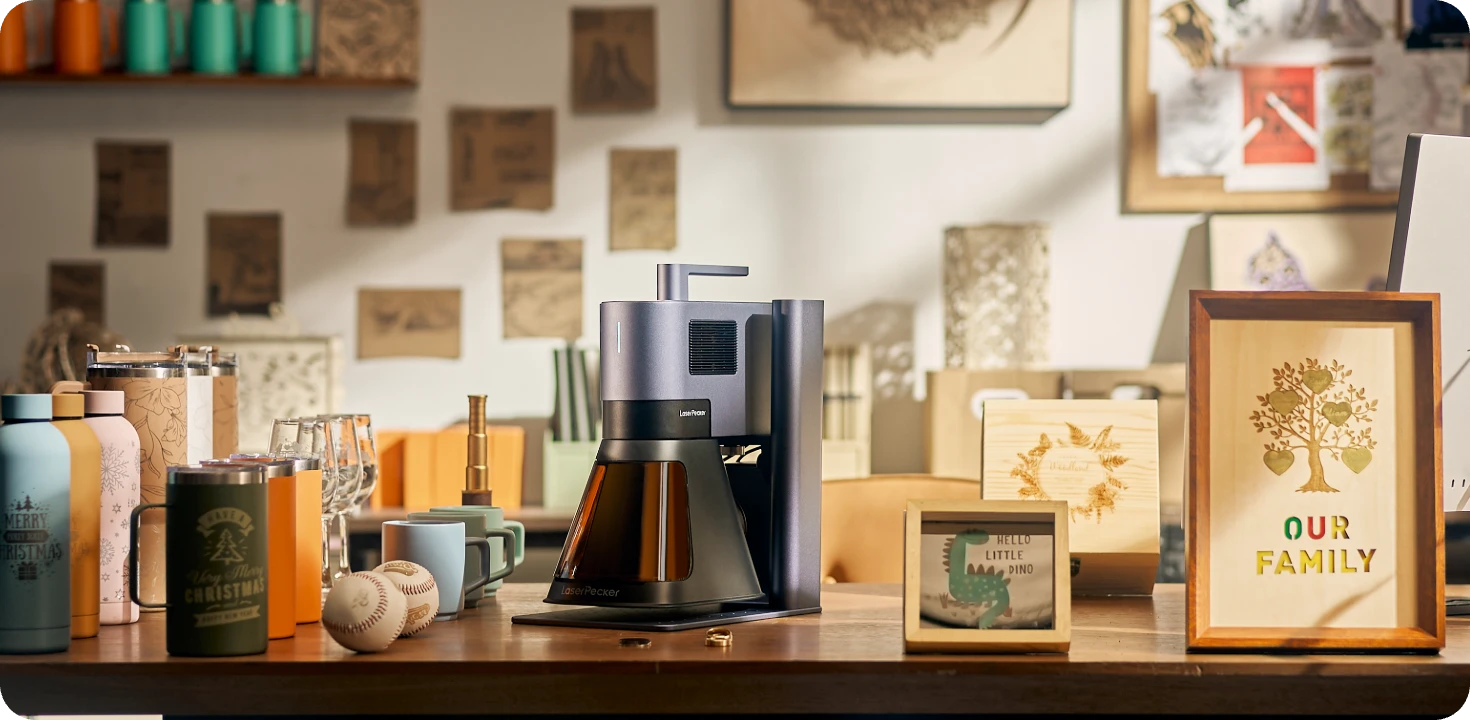
The LaserPecker LP5 is a practical solution for label engraving, combining high precision, dual-laser flexibility, and efficient digital workflow in a compact desktop design. It is suitable for industrial labels, custom tags, branding plates, QR codes, serial number marking, and personalized engraving projects.
- Dual-Laser System: Combines a 20W fiber laser and a 20W diode laser, allowing engraving on metal, plastic, acrylic, wood, leather, coated materials, and more.
- High Precision Engraving: Produces detailed text, logos, QR codes, barcodes, and serial numbers with clean and accurate marking quality.
- Suitable for Industrial and Decorative Labels: Supports both durable industrial identification and customized decorative label production.
- Fast Digital Workflow: Digital file control enables quick customization and repeated production without changing physical tools or molds.
- Wide Material Compatibility: Works with metal, anodized aluminum, stainless steel, plastic, acrylic, leather, wood, PLA, and coated materials.
- Compact and Workspace-Friendly: Its desktop-sized design makes it suitable for home studios, workshops, makerspaces, and small business environments.
FAQs About Label Engraving Machines
Q1: Can You Engrave Labels on Plastic and Metal?
Yes. Many engraving machines, especially laser engraving machines, can engrave both plastic and metal materials. Common materials include acrylic, ABS, anodized aluminum, stainless steel, brass, and coated metals. Different materials may require different laser types and engraving settings for the best results.
Q2: How Long Does Label Engraving Take?
Engraving time depends on the size, material, and complexity of the design. Simple text or serial number engraving may take less than a minute, while detailed graphics, logos, or QR codes can require several minutes. Once the design file is prepared, repeated production is usually fast and efficient.
Q3: Do Engraving Machines Require Special Software?
Yes. Engraving machines use design software to create and process engraving files. Most systems support common vector formats such as SVG, DXF, AI, and PNG. Many engraving machines also include their own software for importing designs, adjusting settings, and controlling the engraving workflow.
Q4: Is Laser Engraving Permanent?
Yes. Laser engraving creates permanent markings by altering or removing material from the surface. Unlike printed labels that may fade, peel, or wear over time, laser-engraved markings are highly durable and suitable for industrial identification, branding, and long-term use.
Conclusion
Different label engraving machines are designed for different applications, materials, and production needs. Routing machines and dot peen markers are commonly used for industrial marking, while laser engraving machines offer higher precision, cleaner results, and greater flexibility.
Modern laser engraving systems such as the LaserPecker LP5 make it easier to produce detailed and durable labels on a wide range of materials for both industrial and custom engraving projects.