













































Plastic is widely used in DIY projects, crafts, prototyping, signage, and home repairs. But cutting plastic incorrectly can cause rough edges, cracks, or inaccurate shapes. Learning the best way to cut plastic helps you achieve clean edges and professional results, especially when working with materials like acrylic that often require specialized techniques such as cutting acrylic sheets cleanly.
The right technique depends on several factors, including the type of plastic, its thickness, and the level of precision you need. Some methods work best for thin sheets, while others are better for cutting thick or hard plastics.
In this guide, you'll learn how to cut plastic safely and effectively using four proven methods—from precision laser cutting to simple scoring with a utility knife. Each method works for different situations, helping you choose the right approach for your project.

In this guide:
- Method 1: Cut Plastic with a Laser Cutter
- Method 2: Cut Plastic with a Utility Knife
- Method 3: Cut Plastic with a Saw
- Method 4: Cut Plastic Using Heated String
Method 1: How to Cut Plastic with a Laser Cutter
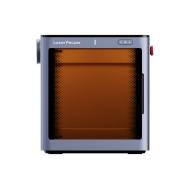
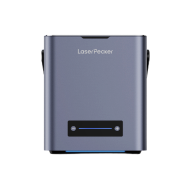
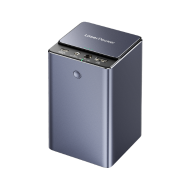
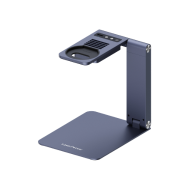
A laser cutter is one of the best ways to cut plastic when precision and clean edges are important. The machine uses a highly focused beam of light to melt and cut through plastic with exceptional accuracy.
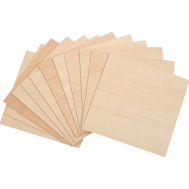
This method is widely used for acrylic sheets, signage, prototypes, and custom designs because it can create complex shapes without physical contact. Unlike mechanical tools, laser cutting produces smooth edges and consistent results with minimal finishing. In addition to cutting plastic, laser cutters can also work as plastic engraving tools and add patterns, text, and logos to the plastic surface.
However, not all plastics are safe to cut with a laser. Materials such as PVC should never be used because they release toxic fumes when heated.
Best for
- Thin to medium plastic sheets
- Intricate shapes, patterns, and detailed designs
- Projects requiring smooth edges without additional finishing
Precision Level
Very High — Laser cutters can achieve extremely fine detail and consistent, repeatable cuts.
Edge Finish Quality
High — Most plastics, especially acrylic, come out with smooth and polished edges that usually require little or no sanding.
Best Thickness Range
Typically 1 mm – 12 mm (1/32″ – 1/2″), depending on the laser power and plastic type. Thicker plastics may require multiple passes or industrial-grade machines.
Pros and Cons of Cutting Plastic with a Laser Cutter
Pros
- Extremely precise and repeatable cuts
- Clean, polished edges with minimal finishing
- Ideal for intricate shapes and complex designs
Cons
- Not suitable for plastics that release toxic fumes (e.g., PVC)
- Produces fumes and requires proper ventilation
- Requires access to a laser cutting machine
Method 2: How to Cut Plastic with a Utility Knife
Using a utility knife is one of the simplest ways to cut plastic without a saw. This method works by scoring the plastic surface multiple times and then snapping the sheet cleanly along the scored line.
It's a low-cost and beginner-friendly technique that works best for thin plastic sheets. When used with a straightedge or ruler, a utility knife can produce accurate straight cuts without power tools.
This approach is commonly used for materials such as acrylic, polystyrene, PETG, and thin PVC sheets. For projects that require detailed patterns or decorative designs, techniques like laser engraving on clear acrylic can provide much finer detail.
Best for
- Thin plastic sheets such as acrylic, polystyrene, PETG, or PVC
- Straight cuts on small projects
- Quick trimming or adjustments on-site
- Projects where you need to cut plastic without cracking
Precision Level
Medium — Accurate for straight cuts when used with a ruler or cutting guide, but not suitable for curves or complex shapes.
Edge Finish Quality
Medium–Low — Snapped edges are functional but may require light sanding to achieve a smoother finish.
Best Thickness Range
Typically effective for plastics up to 3 mm (1/8″). Softer plastics can sometimes be scored and snapped up to around 5 mm with repeated passes.
Pros and Cons of Cutting Plastic with a Utility Knife
Pros
- Very inexpensive and widely available tool
- Portable and easy to use
- Quiet and produces no dust
- Ideal if you need to cut plastic without power tools
Cons
- Limited to thin plastics
- Works mainly for straight cuts
- Harder materials require multiple scoring passes
Method 3: How to Cut Plastic with a Saw
Using a saw is one of the best ways to cut hard plastic or thicker plastic sheets. Unlike scoring methods, saws physically cut through the material, making them ideal for larger projects and rigid plastics.
Common tools include hand saws, jigsaws, circular saws, and table saws fitted with fine-tooth blades designed for plastic. These tools allow you to cut through plastic efficiently while maintaining reasonable accuracy.
If you need to cut thick plastic without cracking, it's important to use the correct blade type and maintain a steady cutting speed. Supporting the plastic sheet properly can also help prevent chipping or breakage.
Best for
- Medium to thick plastic sheets or blocks
- Rigid plastics such as acrylic, polycarbonate, and PVC
- Larger pieces that require straight or slightly curved cuts
- Projects where you need to cut hard plastic accurately
Precision Level
Medium–High — With proper guides, fences, or jigs, saws can produce accurate cuts. However, they are less suitable for intricate or highly detailed shapes.
Edge Finish Quality
Medium — Edges may show saw marks and usually require sanding or polishing for a smooth finish.
Best Thickness Range
Works well for plastics between 2 mm – 25 mm (1/16″ – 1″). Very thin sheets may crack if not supported during cutting.
Pros and Cons of Cutting Plastic with a Saw
Pros
- Effective for cutting thick or hard plastics
- Handles larger sheets and blocks easily
- Works with many types of plastic materials
- Can make straight or basic curved cuts depending on the saw type
Cons
- Edges usually require sanding or polishing
- Not suitable for highly intricate designs
- Produces dust and noise during cutting
Method 4: How to Cut Plastic Using Heated String
Heated string slicing is a simple heat-based technique used to cut through plastic by melting it along a controlled line. In this method, a strong string or thin wire is heated through friction or an external heat source and then pulled through the plastic.
This technique works best for soft thermoplastics such as polyethylene, polypropylene, and thin PVC. While it does not offer the same precision as cutting tools, it can be useful when you need a quick way to cut plastic without power tools.
Because the plastic melts during cutting, edges may appear slightly rough or uneven and often require sanding or trimming afterward.
Best for
- Soft thermoplastics such as polyethylene, polypropylene, or thin PVC
- Thin plastic materials where precision is less critical
- Quick DIY cuts without specialized tools
Precision Level
Low–Medium — Suitable for simple straight cuts but difficult to control for curves or detailed shapes.
Edge Finish Quality
Low–Medium — Edges may appear slightly melted or uneven and usually require sanding or trimming.
Best Thickness Range
Typically effective for plastics up to 5 mm (1/4″). Hard plastics or thicker materials are difficult to cut with this method.
Pros and Cons of Cutting Plastic with Heated String
Pros
- Very inexpensive setup
- No power tools required
- Useful for quick DIY projects
Cons
- Limited to soft plastics
- Edges often require finishing
- Produces fumes and requires proper ventilation
- Not suitable for precise cuts
Conclusion
The best way to cut plastic depends on the material type, thickness, and the level of precision your project requires. Different tools work better for different situations, from simple DIY cuts to highly detailed fabrication.
Here's a quick summary to help you choose the right method:
- Laser Cutter: Ideal for precise, intricate designs and smooth edges on thin to medium plastic sheets.
- Utility Knife: Best for thin plastic sheets when you need a quick and inexpensive way to cut plastic without power tools.
- Saw: The best option for cutting thick or hard plastics such as acrylic or polycarbonate.
- Heated String: A simple DIY method suitable for cutting soft plastics when precision is less important.
Understanding how to cut plastic properly helps prevent cracking, rough edges, and material waste. By choosing the right tool and technique for your project, you can achieve clean, accurate cuts and professional-looking results every time.