















Wooden roses are a beautiful, long-lasting alternative to real flowers—and they never wilt. They're perfect for home décor, gifts, and creative craft projects. When you make a wooden rose yourself, you can choose the size and shape, add engraved details, and turn it into a truly personal keepsake.
In this guide, we'll explore two practical ways to make a wooden rose: traditional handcrafting and laser cutting. You'll learn the key differences between these methods and how each approach affects precision, customization, and effort, helping you decide which method best fits your skills and creative goals.

In this article:
- Part 1: Two Recommended Methods to Make a Wooden Rose
- Method 1: Make a Wood Rose via Handcrafting
- Method 2: Make a Wood Rose via Laser Cutting
- Part 2: Handcrafting vs. Laser Cutting: Which Method is Best?
- Part 3: How to Make a Wooden Rose via Laser Cutting
- Part 4: Tips to Make a Perfect Wooden Rose
- Part 5: FAQs about Making a Wooden Rose
Part 1: Two Recommended Methods to Make a Wooden Rose
When it comes to crafting wooden roses, two main methods dominate: traditional hand-carving and laser cutting.
Both methods can yield beautiful results, but they differ significantly in terms of time, precision, and complexity. Understanding these differences will help you choose the approach that fits your skill level, available tools, and desired outcomes.
Method 1: Make a Wood Rose via Handcrafting
Making wooden roses by hand means you shape each petal and leaf using knives, chisels, and sandpaper. You have to carefully carve, smooth, and layer each petal to get a full rose shape.
Doing it this way lets you decide every little thing, making each petal a bit unique for a real look. It does take a while, like hours, just for one rose. If you haven't done this before, keeping everything even can be tricky, and fixing mistakes after carving isn't easy. Even though it's not always simple, many crafters prefer hand-carving because of the special, handmade feel it gives.
When you're handcrafting, go for soft woods like basswood or birch, since they're easier to carve. Pay attention to the wood grain to keep it from splitting. Before putting your wooden rose together, sand each petal to smooth the edges. A light finish or stain can make the wood look even better.
Method 2: Make a Wood Rose via Laser Cutting
Laser cutting is a faster and more exact option than doing things by hand. If you use a laser cutter, you can be sure the petals and leaves are cut just as you designed them on your computer. This saves time and makes sure each piece is the same, which is great if you want to make a lot of roses that look exactly alike.
The laser works well for cutting thin sheets of wood for the petals. You can also cut thicker wood for the stems or bases. This way, there are fewer mistakes, and each rose is of the same high quality, which is hard to do when carving by hand.
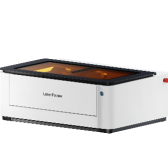
The LaserPecker LX2 and LaserPecker LP2 Plus laser cutter are great choices for this project. Laser cutting allows you to precisely cut the shapes of the rose petals, leaves, and stem directly from wood, ensuring every layer fits together cleanly and consistently. The software is easy to learn and offers plenty of control, so even beginners can achieve professional-looking results quickly.
On top of that, laser engraving lets you add extra detail to the petals and leaves, such as natural textures, fine veins, or even a small logo, making the wooden rose more decorative and perfect for gifts or small-batch sales.
Comparison Table: Traditional vs Laser-Based Methods
| Method | Precision | Speed | Skill Required | Best For | Customization |
|---|---|---|---|---|---|
| Traditional Hand-Carving | Medium-High | Slow | High | One-of-a-kind roses | Custom shapes, artistic variations |
| Laser Cutting | Very High | Fast | Medium | Batch production, precise petals | Engraving, logos, consistent shapes |
In short: If you want one-of-a-kind items with a personal touch, go for hand-carving. If speed and exactness are key, and you want to add detailed designs, laser cutting is the better choice.
Part 2: Handcrafting vs. Laser Cutting: Which Method is Best for Making a Wooden Rose?
Picking the best way to do it really comes down to what you want, what you have to work with, and how perfect you need it to be. If you're just starting out or planning to make multiple wooden roses, laser cutting is often the smarter and easier choice-especially for the following reasons:
Reason 1: Perfectly Shaped, Consistent Petals
If your hand-cutting skills are limited, it's easy for petals to turn out uneven or mismatched in size. Laser cutting produces each petal with exact dimensions and clean edges, so when they're layered together, the rose looks balanced, natural, and three-dimensional.
Reason 2: Handles Complex and Detailed Designs with Ease
For more refined wooden roses—such as multi-layered petals, delicate cutouts, or subtle texture transitions—laser cutting can achieve details that are extremely difficult or time-consuming to carve by hand. This opens up far more creative design possibilities.
Reason 3: Ideal for Making Multiple Identical Roses
If you plan to create several roses for gifts, home décor, events, or even for selling, laser cutting allows you to reuse the same design file and produce consistent results every time. This ensures efficiency, repeatability, and a professional finish.
Reason 4: Easy Personalization with Laser Engraving
Laser engraving makes it simple to add names, dates, short messages, or brand logos directly onto petals, leaves, or the base. These personalized details can be added without disrupting the rose's overall shape or visual appeal, making each piece more meaningful or market-ready.
Plus, with laser cutting, you can etch in cool stuff like textures or even logos to make them look even better. Wood engraving & cutting machine like LaserPecker LX2 and LaserPecker LP2 Plus gives you that sweet spot of being easy to use while still getting precise results, which is great for making wooden roses.
Part 3: How to Make a Wooden Rose via Laser Cutting
Creating a wooden rose with laser cutting allows for precise, consistent shapes and intricate details that are difficult to achieve by hand.
Materials and Tools Needed
If you want to try making a wooden rose with a laser cutter, here's what you'll need:
- Thin wood sheets (basswood or birch work great for the petals)
- A laser cutter, or another one that cuts with good accuracy
- Design software that works with the laser cutter to prep your design
- Wood glue, or another strong glue
- Wood finish, varnish, or clear coat (also optional, but it protects the final product)
Step-by-Step Guide to Making a Wooden Rose with Laser Cutting
Step 1: Prepare Your Design
Create or import your rose petal and leaf templates into the laser software, and add engraving details such as textures or small logos if needed. If you're not sure how to design a wooden rose laser cutting file from scratch, you can explore ready-made designs in LaserPecker CraftZone for inspiration, or purchase finished wooden rose laser files from platforms like Etsy.
Step 2: Set Up the Wood
Secure your wood sheets flat in the laser cutter. Apply masking tape if you want to minimize burn marks and ensure a clean edge.
Step 3: Laser Cut the Petals and Leaves
Cut all pieces following your design. Adjust speed and power based on wood thickness to achieve smooth, precise cuts.
Step 4: Sand and Smooth
Gently sand each cut piece to remove minor burn marks or rough edges. Ensure edges are smooth for easy assembly.
Step 5: Assemble the Rose
Start from the innermost petals and work outward. Use glue to attach each petal carefully, layering to create a realistic shape. Add leaves around the base as desired.
Step 6: Finish the Rose
Apply a clear or lightly tinted finish to protect the wood and highlight its natural color.
Optional Step: Enhancing Your Wooden Rose with Laser Engraving
Laser engraving adds intricate details, such as vein patterns or subtle textures, to petals. These small enhancements give the rose a lifelike appearance and allow customization for gifts or branding. It is optional, but it can significantly improve the aesthetic quality.
Part 4: Tips to Make a Perfect Wooden Rose
To make a perfect wooden rose, you need to pay attention to all the small stuff. Even if you use lasers to cut it, you'll still need to tweak it and finish it by hand to really make it look great.
Tip 1. Choose the Right Wood for Detail and Finish
The wood you pick matters a lot, as it changes how easy it is to cut and how good the final thing looks. Soft woods with a tight grain, like basswood or birch, work great for laser cutting.
They give you sharp, clean cuts without breaks. Hardwood can make a stronger rose, but you need to cut more slowly and go over it more times. Don't use wood that has been treated with chemicals or painted, as they might burn funny or make smoke. Before you start, try a small piece first.
Tip 2. Optimize Laser Cutting Settings to Avoid Burn Marks
The laser's speed, power, and how many times it goes over the wood are key to getting a clean cut. Too much power burns the wood, while too little might not cut all the way through. Use medium power for flower petals to cut thin layers without burning. For stems or thicker parts, you might need to go slower. Test your settings on some scrap wood first.
Tip 3. Design Petals with Layering in Mind
Layers can make your rose look real. Start with smaller petals in the middle and make them bigger as you go out. Stagger each layer a bit to make it look natural. Keep an eye on things being equal to avoid a weird-looking rose. But also allow small changes to make it seem like a real flower. Laser cutting helps you make these layers very precisely.
Tip 4. Consider Adding a Base or Stem
A base or stem helps hold up the rose. A small wood or metal base can keep the flower steady, while a stem lets you put it in a vase or bouquet. Make sure it is on tight without breaking the petals. Laser cutting makes it easy to fit the stem just right for strength.
Part 5: FAQs about Making a Wooden Rose
Q1. Is Laser Cutting Better Than Hand Carving?
Laser cutting is accurate, quick, and repeatable. Hand carving offers a unique, handmade touch that's hard to replicate. Laser cutting is beginner-friendly, while hand carving allows for artistic expression. For bulk production or intricate details, laser cutting is ideal. Both methods create lovely roses, but lasers ensure consistency.
Q2. What Type of Wood Is Best for a Wooden Rose?
Soft woods like basswood or birch are preferable because they're easy to cut and allow for fine details. You could try hardwood, but you'll need to cut slower, possibly in multiple passes. Avoid pre-treated wood due to potential cutting issues or harmful fumes. Always do a test cut first.
Q3. How Thick Should the Wood Be?
Aim for 1-3 mm for petals to allow bending for layering. Thicker wood resists bending, while too-thin wood may break. Use slightly thicker wood for stems and leaves to give them strength. Change the thickness based on the rose's size.
Q4. How Many Layers Make a Wooden Rose Look Realistic?
Around 6-10 layers usually create a realistic rose. Use smaller petals inside and larger ones outside. More layers yield a fuller, deeper look. Fewer layers simplify assembly but might reduce realism. Consider the rose size and desired detail.
Conclusion
Crafting a wooden rose calls for creativity and skill. You can hand-carve a unique flower. Or, use a laser cutter like LaserPecker LX2 and LaserPecker LP2 Plus for accurate cuts and easy assembly. This also lets you add detailed engravings. Follow this guide to make lasting wooden roses for gifts, decoration, or just for fun. Your choice depends on your skills, how much time you have, and the result you want. Either method will give you amazing art.