














Personalized tote bags have become a popular choice for gifts, business promotions, event giveaways, and small-business merchandise. They are practical, reusable, and easy to customize, making them a versatile product for both personal and commercial use.
In this guide, you'll learn how to customize a tote bag using six popular techniques. We'll compare the advantages, limitations, and best use cases for each method so you can choose the right approach for your project or business.

In this article:
- Part 1: Why Personalized Tote Bags Are So Popular
- Part 2: Essential Materials for Customizing Tote Bags
- Part 3: 6 Methods for Making Personalized Tote Bags
- Method 1: Screen printing
- Method 2: DTG printing
- Method 3: Heat transfer
- Method 4: Sublimation
- Method 5: Laser engraving
- Method 6: Embroidery
- Part 4: Why Laser Engraving is The Best Way to Personalize Tote Bags
- Part 5: How to Make Personalized Tote Bags with LP2 Plus
- Part 6: FAQs about Making a Personalized Tote Bag
Part 1: Why Are Personalized Tote Bags So Popular?
Personalized tote bags combine everyday practicality with creative self-expression. They are reusable, affordable, and suitable for shopping, work, travel, events, and daily use, making them a sustainable alternative to disposable bags.
For individuals, personalized canvas tote bags make thoughtful gifts, unique fashion accessories, and memorable keepsakes. For businesses, they serve as effective promotional products, branded merchandise, and customer giveaways that increase brand visibility.

The growing demand for eco-friendly products has also contributed to their popularity. Many consumers prefer reusable tote bags because they help reduce single-use plastic waste while offering long-term value.
Part 2: Essential Materials for Customizing Tote Bags
Before learning how to make personalized tote bags, it's important to choose the right bag material and customization tools. The materials you use will affect the appearance, durability, and overall quality of the finished product.
Common tote bag materials include:
- Cotton Canvas – Durable, reusable, and one of the most popular options for personalized canvas tote bags.
- Linen – Lightweight with a natural, premium look.
- Polyester – Ideal for sublimation printing and vibrant full-color designs.
- Denim – Strong and stylish, suitable for embroidery and laser engraving.
- Burlap – Rustic and eco-friendly, often used for gift bags and specialty products.
- Faux Leather – Excellent for premium branding, patches, and engraved details.
The best material depends on your chosen customization method. For example, canvas works well for screen printing, embroidery, and laser engraving, while polyester is required for high-quality sublimation printing.
You may also need the following tools and supplies:
- A laser engraver
- Fabric paints or textile inks
- Heat-transfer vinyl (HTV)
- Transfer paper
- Embroidery thread and needles
- A heat press or household iron
- Design software for artwork preparation
Choosing compatible materials and equipment is one of the most important steps when learning how to customize a tote bag. The right combination helps produce sharper designs, longer-lasting results, and a more professional finished product.

Part 3: 6 Methods for Making Personalized Tote Bags
If you're wondering how to make personalized tote bags, choosing the right customization method is one of the most important decisions. The best option depends on your budget, design complexity, production volume, and the type of tote bag material you're using.
Below are six of the most popular methods used by DIY creators, small businesses, and professional print shops.
Method 1: Screen Printing
Screen printing is one of the most widely used methods for creating personalized tote bags in large quantities. The process pushes ink through a mesh screen onto the fabric, producing bold colors and durable prints that hold up well over time.
Method 2: DTG Printing
DTG printing, or Direct-to-Garment printing, works much like an inkjet printer for fabric. The printer applies water-based inks directly onto the tote bag, allowing for highly detailed designs, smooth color gradients, and full-color artwork.
This method is ideal for businesses and creators who want to produce custom designs without the setup costs associated with screen printing. It is especially effective for small orders and print-on-demand products.
If you're learning how to make personalized tote bags with detailed artwork or full-color graphics, DTG printing is one of the best options available. It offers exceptional design flexibility while keeping setup requirements relatively simple.
Method 3: Heat Transfer
Heat transfer is one of the easiest and most affordable ways to customize tote bags. The process uses heat and pressure to transfer a printed design or heat-transfer vinyl (HTV) onto the fabric surface.
Because it requires minimal equipment and setup, heat transfer is a popular choice for beginners, hobbyists, and small businesses that want to create custom products without investing in commercial printing equipment.
Method 4: Sublimation Printing
Sublimation printing uses heat to convert special dye into gas, allowing it to bond directly with polyester fibers. Unlike traditional printing methods that place ink on the surface, sublimation becomes part of the material itself, creating vibrant, long-lasting designs.
Method 5: Laser Engraving
Laser engraving is a precision customization method that uses a focused laser beam to permanently mark or engrave designs onto a material's surface. It is an excellent option for creating premium, long-lasting tote bag designs with exceptional detail.
Unlike printing methods that add ink or vinyl to the surface, laser engraving alters the material itself. This creates a professional finish that will not peel, crack, or fade over time.
For creators exploring how to make custom bags for business, laser engraving offers a unique way to differentiate products from standard printed merchandise. The clean, permanent finish makes it particularly attractive for premium branding and high-value custom products.
Laser engraving is also one of the best methods for creating personalized canvas tote bags with detailed logos, names, patterns, and custom artwork that maintain their appearance through regular use.
Method 6: Embroidery
Embroidery is a classic customization method that stitches designs directly onto the fabric using thread. Unlike printing techniques, embroidery adds texture and dimension, giving tote bags a premium, handcrafted appearance.
Because embroidered designs are sewn into the material, they offer excellent durability and can withstand regular use and washing without losing their visual appeal.
Comparison table for making personalized tote bags
| Method | Durability | Detail Level | Best Bag Material | Ideal For |
|---|---|---|---|---|
| Screen Printing | ★★★★☆ | Medium | Cotton, Canvas | Bulk orders, simple designs |
| DTG Printing | ★★★☆☆ | ★★★★★ | Cotton | Full-color art |
| Heat Transfer | ★★★☆☆ | ★★★★☆ | Cotton, Polyester | Small batch, beginners |
| Sublimation | ★★★★★ | ★★★★☆ | Polyester | Full-color, long-lasting prints |
| Laser Engraving | ★★★★★ | ★★★★★ | Canvas, Denim, Fabric | Premium logos, personalization |
| Embroidery | ★★★★★ | ★★★☆☆ | Cotton, Denim, Canvas | High-end designs |
Part 4: Why Laser Engraving Is the Best Way to Personalize Tote Bags?
While screen printing, DTG printing, heat transfer, sublimation, and embroidery all have their advantages, laser engraving stands out as one of the most durable and professional methods for personalizing tote bags.
For creators, small businesses, and brands looking for long-lasting customization, laser engraving offers several key advantages.
#1. Permanent Results
Laser-engraved designs become part of the material, making them far more durable than many traditional printing methods. This is especially valuable for tote bags that are used frequently and exposed to daily wear.
#2. Exceptional Detail and Precision
Laser technology can reproduce intricate logos, fine text, patterns, and personalized names with remarkable accuracy. This level of detail is difficult to achieve consistently with many other customization methods.
#3. Ideal for Business Branding
If you're researching how to make custom bags for business, laser engraving offers excellent consistency across large production runs. Companies can easily personalize tote bags with logos, serial numbers, names, QR codes, or custom branding elements.
#4. Works on Multiple Materials
Laser engraving can be used on canvas, denim, leather patches, faux leather, wood tags, and other materials commonly used in custom tote bag production. This flexibility allows businesses to create unique products that stand out in a crowded market.
#5. Low Ongoing Material Costs
Unlike some printing methods that require inks, transfer paper, screens, or vinyl, laser engraving uses fewer consumables. This can help reduce production costs over time while maintaining consistent quality.
Recommended Laser Engraver for Personalized Tote Bags: LaserPecker LP2 Plus
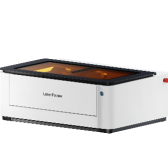
The LaserPecker LP2 Plus is a compact laser engraver designed for creating personalized tote bags, fabric accessories, apparel decorations, and custom gift products.
-
10W Diode Laser for Fabric and Canvas Projects
The 10W diode laser can create detailed designs on canvas tote bags and fabric-based materials, making it ideal for personalized gifts, branding, and DIY fashion projects. -
4,000 mm/s High-Speed Engraving
The high-speed galvo system helps users quickly personalize tote bags with names, logos, graphics, and decorative patterns while maintaining excellent engraving quality. -
High Precision for Detailed Artwork
The LP2 Plus delivers detailed engraving performance suitable for custom illustrations, fine text, monograms, and intricate design elements on tote bags. -
Compact and Portable Design
The lightweight desktop design is ideal for home studios, craft fairs, Etsy sellers, and small businesses offering customized tote bags and fabric products.

Part 5: How to Make Personalized Tote Bags with LP2 Plus
Here's how to easily personalize tote bags using the LP2 Plus:
Step 1: Create or Import Your Design
Prepare your artwork, logo, monogram, text, or custom graphic. For the best results, use a high-resolution image or vector file. Import your design into LaserPecker Design Space and adjust the size and placement to match your tote bag.
Step 2: Prepare the Tote Bag
Lay the tote bag on a flat surface and smooth out any wrinkles. Proper positioning helps ensure clean engraving results and prevents design distortion.
For cotton canvas tote bags, many users prefer engraving leather patches or tags first and then attaching them to the bag for a premium finished look.
Step 3: Position and Focus the LP2 Plus
Place the LP2 Plus above the engraving area and use the built-in positioning tools to align your design accurately. Preview the engraving area before starting to make sure everything is centered correctly.
Step 4: Adjust Engraving Settings
Select the appropriate power, speed, and resolution settings based on your material.
- Canvas: Use lower power settings and test first.
- Denim: Medium power often produces clean, high-contrast results.
- Leather Patches: Fine detail can usually be achieved with moderate power and speed settings.
Always perform a small test engraving before running a full design.
Step 5: Start Engraving
Once your settings are finalized, begin the engraving process. The LP2 Plus can reproduce logos, names, patterns, and custom artwork with impressive precision, helping you create professional-quality personalized tote bags.
Step 6: Finish and Assemble
After engraving, remove any residue and inspect the design. If you're using a leather patch or tag, attach it to the tote bag using stitching, rivets, or adhesive depending on your preferred style.
Your custom tote bag is now ready for gifting, personal use, retail sales, or business branding.
Part 6: FAQs About Making Personalized Tote Bags
Q1. Can You Laser Engrave Canvas Tote Bags?
Yes. Laser engraving can be used on canvas, denim, leather patches, and other compatible materials. It is an excellent option for adding logos, names, monograms, and custom artwork to personalized canvas tote bags while maintaining a clean, high-end appearance.
Q2. Which Customization Method Lasts the Longest?
Laser engraving and embroidery are generally the most durable personalization methods. Because the design becomes part of the material rather than sitting on the surface, it can withstand regular use and washing better than many printed alternatives.
Q3. What Materials Work Best for Custom Tote Bags?
Canvas, cotton, polyester, denim, and faux leather are among the most popular materials for custom tote bags. The right choice depends on your personalization method. For example, polyester works best for sublimation, while canvas and denim are excellent options for laser engraving and embroidery.
Conclusion
For creators and businesses looking for a durable, professional, and long-lasting solution, laser engraving stands out as one of the most effective customization methods. It delivers precise detail, permanent results, and a premium finish that helps personalized tote bags stand out from standard printed products.
The LP2 Plus makes it easy to create custom designs on canvas, denim, leather patches, and other compatible materials. Its portability, ease of use, and engraving accuracy make it an excellent choice for hobbyists, makers, and entrepreneurs who want to produce high-quality custom bags with confidence.
Whether you're creating one personalized gift or building a custom product line, the right tools and techniques can help you turn simple tote bags into unique products that customers will love and use for years to come.