


Brick engraving machines are used to create permanent text, logos, patterns, and custom designs on brick surfaces. They are commonly used for memorial bricks, donor walls, house numbers, garden markers, architectural decoration, and personalized brick projects.
Different engraving methods offer different results in terms of precision, depth, speed, cost, and workflow. In this guide, we will compare the main types of brick engraving machines and explain why laser engraving machines are a practical choice for detailed custom brick engraving.

In this article:
- Part 1: What Is a Brick Engraving Machine
- Part 2: 4 Types of Brick Engraving Machines
- Type 1: Rotary Tools for Brick Engraving
- Type 2: CNC Machines for Brick Engraving
- Type 3: Sandblasting Machines for Brick Engraving
- Type 4: Laser Engraving Machines for Brick
- Part 3: Why Laser Engraving Machines Are Best for Brick Engraving
- FAQs: Hot Questions about Brick Engraving Machines
Part 1: What Is a Brick Engraving Machine?
A brick engraving machine is a tool used to carve, mark, or engrave text, logos, patterns, and custom designs onto brick surfaces. It helps create permanent and decorative markings for both personal and commercial projects.
Brick engraving is commonly used for memorial bricks, donor bricks, garden bricks, house number bricks, commemorative walls, landscape decoration, and architectural projects. Instead of applying paint or stickers to the surface, engraving removes or changes part of the brick surface to create a long-lasting design.
Depending on the machine type, brick engraving can be done with rotary tools, CNC engraving machines, sandblasting machines, or laser engraving machines. Each method offers different results in terms of precision, speed, depth, cost, and design detail.

Part 2: 4 Types of Brick Engraving Machines
Different brick engraving machines use different technologies to create designs on brick surfaces. Each method offers unique advantages in terms of precision, engraving depth, speed, workflow, and project scale.
Below are four of the most common types of brick engraving machines used for DIY, decorative, memorial, and architectural engraving projects.
Type 1: Rotary Tools for Brick Engraving
Rotary tools are one of the simplest ways to engrave bricks by hand. They use a small rotating bit to grind, carve, or scratch designs into the brick surface. This method is often used for simple text, small patterns, DIY projects, and one-off custom bricks.
To engrave brick with a rotary tool, the design is usually drawn or transferred onto the brick first. Then, the user follows the outline manually with a suitable engraving or grinding bit. Because the process is controlled by hand, the final result depends heavily on the user’s skill, patience, and tool control.
Rotary tools are affordable and easy to find, making them a practical option for beginners or small home projects. However, they are not ideal for detailed graphics, deep engraving, or repeated production because the process can be slow, dusty, and less consistent.
Pros
- Good for DIY Projects: Suitable for simple names, numbers, small patterns, and one-off custom bricks.
Cons
- Low Precision: Fine details, small text, and clean edges can be difficult to achieve by hand.
- Time-Consuming: Manual engraving takes more effort, especially on hard brick surfaces.
- Inconsistent Results: Engraving depth and line quality may vary from one brick to another.
- Dust and Wear: Brick engraving creates dust and can wear down bits quickly.
Type 2: CNC Machines for Brick Engraving
CNC machines use computer-controlled cutting tools to carve designs, text, and patterns into brick surfaces with greater precision and consistency. Unlike manual rotary tools, CNC engraving follows digital design files automatically, helping reduce human error during the engraving process.
To engrave brick with a CNC machine, the design is first created using design software and converted into machine toolpaths. The CNC system then controls the movement of the cutting bit to remove material from the brick surface layer by layer.
However, brick is a hard and abrasive material, which can increase tool wear and slow down the engraving process. CNC machines also require more setup, software knowledge, and workspace compared with simpler engraving methods.
Pros
- Higher Precision: Produces cleaner lines and more accurate designs than manual engraving.
- Good Repeatability: Suitable for repeated production and multiple engraved bricks with consistent quality.
Cons
- Tool Wear: Engraving bits may wear down quickly when working on abrasive brick surfaces.
- More Complex Setup: Requires software preparation, machine calibration, and technical knowledge.
- Larger Workspace Required: CNC machines are usually bigger and less portable than handheld engraving tools.
Type 3: Sandblasting Machines for Brick Engraving
Sandblasting machines engrave bricks by using high-pressure abrasive materials to erode the exposed brick surface. A custom stencil or mask is first applied to the brick, and the blasting process removes the uncovered areas to create text, patterns, logos, or decorative designs.
This method is commonly used for memorial bricks, donor walls, architectural signage, monuments, and large decorative brick projects. Sandblasting can create deep and highly visible engravings, making it suitable for outdoor applications that require long-term durability.
Compared with rotary tools and CNC engraving, sandblasting is often better for large-scale production and deeper engraving effects. However, the process requires additional equipment such as air compressors, abrasive materials, protective gear, and stencil preparation.
Pros
- Deep Engraving Capability: Creates highly visible and durable engravings on brick surfaces.
- Strong Outdoor Durability: Deep engravings resist weather, wear, and environmental exposure.
- Works on Hard Materials: Effective for brick, stone, concrete, and masonry surfaces.
Cons
- Messy Workflow: Produces dust and abrasive waste during operation.
- Requires More Equipment: Needs compressors, blasting materials, stencils, and safety protection.
- Less Flexible for Fast Design Changes: Stencil preparation can increase setup time for custom projects.
Type 4: Laser Engraving Machines for Brick
Laser engraving machines use focused laser beams to engrave text, patterns, logos, and custom designs onto brick surfaces without physical contact. Instead of using cutting bits or abrasive blasting, the laser changes or removes part of the brick surface through concentrated heat energy.
Laser engraving is commonly used for personalized bricks, memorial bricks, decorative architectural projects, branded brick designs, and custom home decoration. Because the process follows digital design files, laser systems can produce highly accurate and repeatable engraving results with clean detail.
Compared with manual engraving methods, laser engraving machines offer a faster and more efficient workflow. Users can easily import text, logos, photos, QR codes, or vector graphics into the software and engrave directly onto the brick surface with minimal setup.
Pros
- High Precision: Produces detailed text, logos, patterns, and decorative graphics with clean engraving quality.
- Non-Contact Process: No physical tool touches the brick surface, reducing mechanical wear and vibration.
- Fast Digital Workflow: Supports quick design changes and easy customization using digital files.
- Good Repeatability: Suitable for repeated production with consistent engraving results.
- Cleaner Workflow: Generates less physical debris compared with heavy grinding or sandblasting methods.
Cons
- Higher Initial Cost: Laser engraving systems are usually more expensive than simple manual tools.
Part 3: Why Laser Engraving Machines Are Best for Brick Engraving
| Machine Type | Precision | Speed | Best Materials | Complex Design Capability | Durability of Engraving |
|---|---|---|---|---|---|
| Rotary Tools | Low to Medium | Slow | Brick, Soft Stone | Limited | High |
| CNC Machines | High | Medium | Brick, Stone, Concrete | Good | Very High |
| Sandblasting Machines | Medium | High | Brick, Stone, Concrete | Moderate | Very High |
| Laser Engraving Machines | Very High | High | Brick, Stone, Coated Surfaces | Excellent | High |
Among the different brick engraving methods, laser engraving machines offer the best balance of precision, speed, flexibility, and ease of use. Rotary tools are affordable but slow and skill-dependent, CNC machines are more consistent but require tool contact, and sandblasting is powerful but needs stencils, abrasives, and more setup.
Laser engraving provides a cleaner digital workflow. Users can create or import text, logos, patterns, photos, QR codes, and vector designs, then engrave them directly onto the brick surface without making physical templates or changing cutting tools.
Reason 1: High Precision for Detailed Designs
Laser engraving machines can create clean text, decorative patterns, logos, and custom graphics with high accuracy. This makes them especially useful for personalized bricks, memorial bricks, garden bricks, and decorative home projects that require clear and attractive details.
Reason 2: Non-Contact Engraving Process
Unlike rotary tools and CNC machines, laser engraving does not require a physical bit to touch the brick surface. This helps reduce tool wear, vibration, and uneven pressure during engraving, which is especially helpful when working with hard or textured brick materials.
Reason 3: Fast and Flexible Digital Workflow
Laser engraving follows digital design files, so users can quickly change names, dates, numbers, logos, or patterns without preparing new stencils or replacing cutting tools. This is ideal for customized brick projects and small-batch production.
Reason 4: Excellent Repeatability
Once the design and engraving settings are prepared, laser machines can repeat the same design with consistent results. This is useful for donor bricks, commemorative walls, branded bricks, and projects that require multiple engraved pieces with the same style.
Recommended Laser Engraving Machine for Brick: LaserPecker LP5
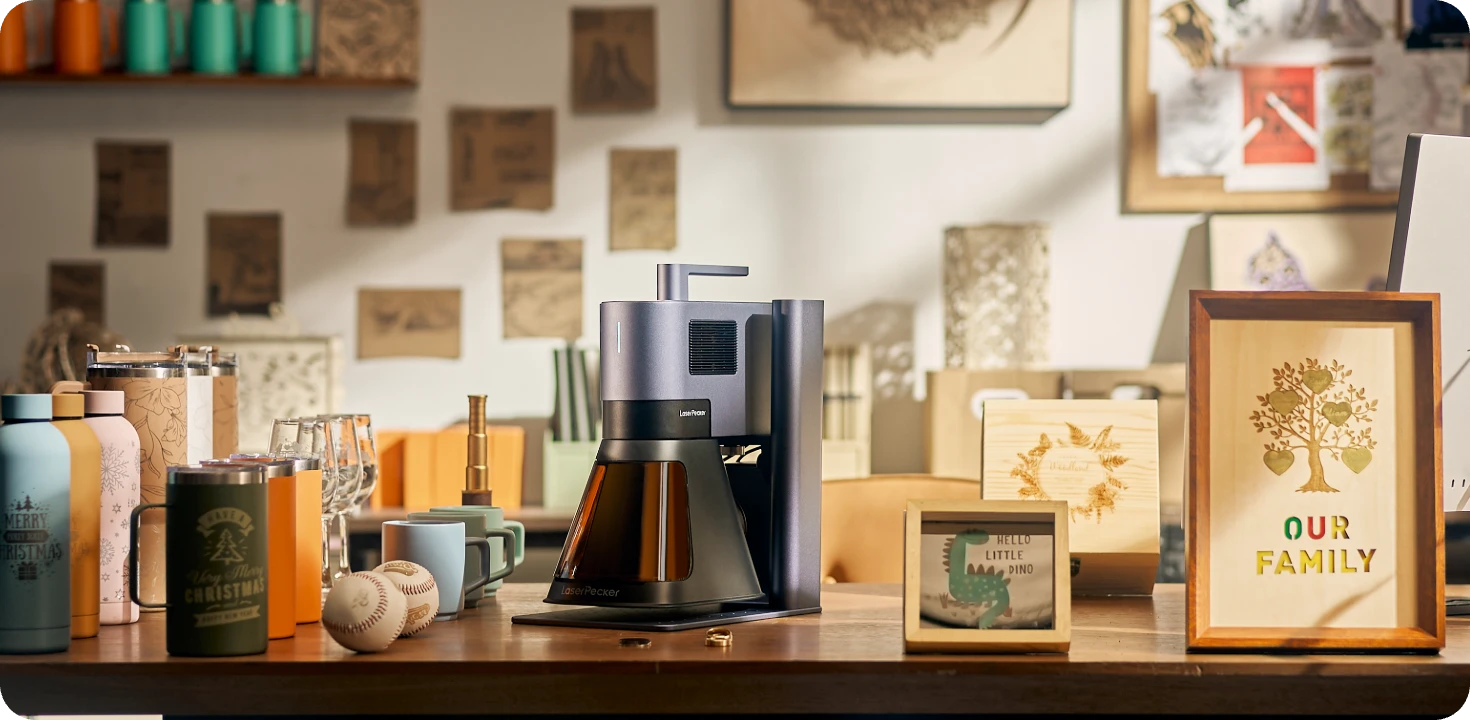
The LaserPecker LP5 is a practical choice for custom brick engraving projects that require precision, flexibility, and a simple digital workflow. Its dual-laser system combines a 20W fiber laser and a 20W diode laser, allowing users to explore different engraving effects on brick, stone, coated masonry surfaces, metal, wood, leather, acrylic, plastic, and more.
- 20W Fiber Laser for Brick Surface Marking: Helps create detailed and high-contrast engraving effects on certain brick, stone, and coated masonry surfaces.
- Dual-Laser Flexibility: Combines a 20W fiber laser and a 20W diode laser, supporting both masonry surface marking and everyday engraving on wood, leather, acrylic, plastic, metal, and coated materials.
- High-Precision Engraving: Suitable for names, dates, house numbers, memorial text, logos, patterns, and decorative brick designs.
- Fast Digital Workflow: Allows users to import, edit, and repeat designs without preparing physical stencils, molds, or cutting tools.
- Compact Desktop Design: Fits well in home studios, small workshops, makerspaces, and custom product businesses.
FAQs: Hot Questions about Brick Engraving Machines
Q1: What Is the Best Machine for Brick Engraving?
The best brick engraving machine depends on the project type, engraving depth, and level of detail you need.
Rotary tools are affordable for DIY projects, CNC machines are suitable for larger and more precise engraving work, and sandblasting is commonly used for deep outdoor engravings. However, laser engraving machines are often considered one of the best choices for custom brick engraving because they offer high precision, fast digital workflow, and easy customization.
Q2: Can You Laser Engrave Bricks?
Yes. Laser engraving machines can engrave certain brick surfaces by creating contrast markings or decorative surface engravings. The final result depends on the brick composition, density, coating, and laser type.
Fiber lasers can often produce stronger contrast effects on some brick and masonry surfaces, while diode lasers are commonly used for lighter decorative engraving and mixed-material projects.
Q3: Is Brick Engraving Permanent?
Yes. Brick engraving is generally considered permanent because the design is physically engraved or marked into the brick surface rather than printed on top.
Properly engraved bricks are highly durable and resistant to weather, moisture, sunlight, and outdoor exposure, making them suitable for memorial walls, garden projects, and architectural decoration.
Q4: What Can You Engrave on a Brick?
Brick engraving machines can create names, dates, memorial messages, house numbers, logos, decorative patterns, QR codes, and custom artwork.
Engraved bricks are commonly used for personalized gifts, donor walls, commemorative projects, business branding, landscape decoration, and home improvement applications.
Conclusion
Different brick engraving machines are designed for different needs. Rotary tools are affordable for simple DIY work, CNC machines offer better precision for larger projects, and sandblasting is widely used for deep outdoor engravings.
For users who want detailed customization, flexible digital workflow, and cleaner engraving results, laser engraving machines provide one of the most efficient modern solutions for brick engraving projects.


