























Working with felt seems easy until you're dealing with crooked edges or frayed corners. Many beginners find out that felt isn't like paper. It squishes down, moves around, and warps if you don't cut it right.
When you start making more than basic crafts, like detailed decorations or toys, picking the right felt cutting machine is key.
This guide looks at the usual felt cutting machines, points out their pros and cons, and helps you pick what works best for you.

In this article:
- Part 1: Four Popular Types of Felt Cutting Machines
- Type 1: Handheld Rotary Cutters
- Type 2: Manual and Electric Round Knife Cutters
- Type 3: CNC Knife Cutting Machines
- Type 4: Laser Felt Cutting Machines
- Part 2: Why Laser Cutting Machine Is a Great Choice for Felt
- Part 3: Beginner Tips for Cutting Felt Cleanly at Home
- Part 4: FAQs about Felt Cutting Machine
Part 1: Four Popular Types of Felt Cutting Machines
Type 1: Handheld Rotary Cutters
Rotary cutters are a simple starting point. They feature a rolling blade-just press down and slice through the felt. They're good for straight lines, easy curves, and quick work. They're cheap, easy to carry, and don't need power, so many crafters like them.

Still, a clean cut depends on your hand. Also, thick felt might get compressed, leading to uneven edges. The blades can also dull, possibly tearing the felt instead of cleanly cutting it. Think of rotary cutters for small, basic projects with soft felt.
Type 2: Manual and Electric Round Knife Cutters
Round knife cutters use a bigger spinning blade and can be powered by hand or a motor. They cut with more strength and smoothness than handheld cutters. These are better for thicker felt as they keep even pressure while cutting.
Electric versions help avoid hand fatigue and speed things up, great if you are doing repetitive work. Because they touch the felt, it can still shift or get squished. Remember that you have to sharpen or replace the blades. You'll still need to practice to achieve quality results.

Type 3: CNC Knife Cutting Machines
CNC knife cutters use computer controls. They're often in workshops and factories. These are great for cutting large pieces of felt with precision. They handle complex designs and repeat cuts well.
All the same, CNC cutters can be big, pricey, and too much for small studios or businesses. They can take time to set up. The software isn't the easiest to learn, and it needs a lot of room, which is a drawback for beginners. They're mainly suited for large-scale felt cutting instead of smaller or flexible projects.
Type 4: Laser Felt Cutting Machines
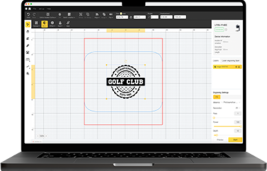
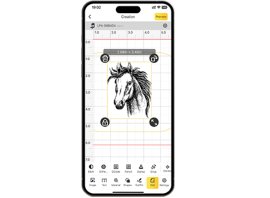
Laser cutters use a focused beam to cut through felt without any physical contact. The heat vaporizes the material, so there's no pressure to bend or distort the felt-it stays perfectly flat with clean, sealed edges that prevent fraying. This precision is achieved because the laser’s path is entirely software-controlled, ensuring sharp details and consistent results.
Beyond cutting, many laser systems can also etch designs, textures, or logos directly onto the felt in a single step. This versatility makes laser cutting an excellent choice for custom designs, layered projects, and small-batch production, offering a wide range of creative possibilities.
Comparison of Felt Cutting Machines
| Machine Type | Precision | Edge Quality | Speed | Maintenance | Best For |
|---|---|---|---|---|---|
| Handheld Rotary Cutter | Low–Medium | Variable | Slow | Frequent blade changes | Simple home crafts |
| Round Knife Cutter | Medium | Moderate | Medium | Blade sharpening | Thicker felt, straight cuts |
| CNC Knife Cutter | High | Clean | High | Professional upkeep | Industrial production |
| Laser Cutting Machine | Very High | Clean & sealed | Very High | Minimal | Detailed designs, small businesses |
Part 2: Why Laser Cutting Machine Is a Great Choice for Felt
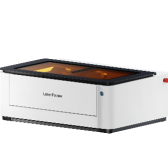
Modern desktop laser cutters solve many common felt-cutting problems. For example, the LaserPecker LX2 shows how today's tech makes precise, detailed cuts easier than ever. First off, laser cutting is super exact. The LX2's fast system can trace tricky lines without a problem. This means you can easily cut tiny details, small holes, and delicate shapes, which would be hard to do with regular blades.
Next, since there's no blade touching the material, things don't wear out. This really cuts down on repair costs in the long run. You won't have to swap out or sharpen blades, and the cut quality stays the same all the time.
Also, laser cutting can handle tricky designs and hollow shapes. Felt decorations that look like lace, layered decorations, and shapes with geometric cutouts are all doable with no extra work.
Lastly, the LaserPecker LX2 can both cut and engrave. You can cut felt shapes and etch textures, sewing guides, or logos in one go, saving you time and making sure everything lines up right.
How to Choose the Right Felt Cutting Machine for You
With so many cutting options available, understanding how your materials, workspace, and long-term goals intersect is the key to choosing a machine that truly fits your workflow.
1. Choosing a Machine Based on Your Project Needs
If you're working with simple shapes or doing crafts now and then, hand tools might be all you need. But if you're doing detailed designs, need to make the same thing over and over, or doing work for money, you'll want a machine that can really nail the precision, like a laser.
2. Selecting the Right Machine for Different Felt Thicknesses
Thin felt is easy to work with, but thick felt needs a lot of force to cut. Lasers can handle different thicknesses without squishing the felt. Tools with blades might not be as consistent.
3. Matching Machine Performance to Usage Frequency
If you're using a machine all the time, you want one that doesn't need a lot of upkeep and works well all the time. Laser cutters are great here because they keep giving you the same results without parts wearing out.
4. Finding a Machine That Fits Your Space
Big CNC machines take up a lot of room. Desktop laser cutters, like the LaserPecker LX2, don't take up much space, are enclosed, and work great in home studios or small shops.
5. Balancing Budget and Features
Lasers might cost more at first, but they can save you money in the long run because you waste less material, don't have to redo things as often, and don't have to replace parts as often. If you're selling felt products, this is a big deal.
6. Precision Cutting Needs for Detailed Felt Designs
Lasers are great for small letters, layered designs, and fancy cutouts. Hand tools just can't do that level of detail.
7. Choosing a Felt Cutting Machine for Custom and Small Business Use
If you're doing custom orders or making things in small batches, you need speed, the ability to make the same thing repeatedly, and the freedom to change your designs. Laser cutting lets you make more stuff without losing quality.
Part 3: Beginner Tips for Cutting Felt Cleanly at Home
Clean felt cutting at home isn’t about having the most expensive tools-it’s about using the right techniques and habits from the very beginning.
Tip 1: Choose the Right Cutting Method for Your Felt Type
Soft craft felt isn't the same as tough industrial felt. Make sure your cutting matches how thick the felt is and what you're using it for.
Tip 2: Start with Simple Shapes Before Trying Complex Designs
It's good to learn how felt acts when you cut it, so you don't mess things up. Easy projects help you get better.
Tip 3: Secure the Felt Properly Before Cutting
Even with lasers, flat felt gives better results. Use weights or a sticky mat to hold it down.
Tip 4: Test Cut on a Small Piece First
Testing on a scrap saves felt and makes sure your settings are right before you cut the whole thing.
Part 4: FAQs about Felt Cutting Machine
Q1. What Is the Best Felt Cutting Machine for Beginners?
If you're just starting out and want those edges to be super clean without a ton of fuss. Laser cutters are probably your best bet; they're a lot more forgiving. Manual tools need some skill, but lasers are all about that digital accuracy. A desktop laser cutter lets you put all your thoughts into the design, not struggling with the cutting itself.
Q2. Is Laser Cutting Safe for Home Use?
No, chill. Today's desktop laser machines are pretty safe. They've got enclosed boxes, good air flow, and safety features, so you can use them in your home studio if you follow the rules.
Q3. Can Laser Cutting Felt Burn or Smell?
Yes, laser-cut felt can produce some odor, especially when cutting synthetic types. However, with proper ventilation and the correct felt-specific cutting parameters, burning and discoloration can be kept to a minimum.
Q4. What Thickness of Felt Can a Laser Cutter Handle?
Most desktop laser cutters can handle the usual felt thickness you find in craft stores and shops. And you can usually mess with the settings or do a couple of passes to cut almost anything.
Q5. Can One Machine Both Cut and Engrave Felt?
Yes! Laser machines can cut out felt shapes and etch designs onto the surface, all in one go. It's pretty cool.
Conclusion
Working with felt doesn't need to be hard. Knowing how different machines work with felt helps you pick the best tools for what you want to make.
While cutting felt by hand is still useful, a laser cutter offers a clear advantage in exactness, speed, and versatility - which is why it has become the preferred choice for so many creators today.
So whether you’re crafting at home or starting a business, we strongly recommend considering a laser cutter like LaserPecker LP2 Plus and LX2 for your felt projects. The combination of software-driven precision, non-contact cutting that prevents distortion, sealed edges to stop fraying, and the ability to both cut and engrave in one step can truly transform your concepts into neat, professional-quality items.