









































A small thing can really change how a golfer feels when they're about to hit the ball. When standing on the green, golfers use what they see, their habits, and little tweaks to keep their game steady. Marking the ball has turned into more than just something they do-it's now part of how they get ready, stay focused, and even show their style.
Since there are so many tools and ways to do it these days, picking the right tool to mark your ball can have a real impact on how you play and how you look on the course.

In this article:
- Part 1: Why is a Golf Ball Marker Tool Essential
- Part 2: 3 Types of Golf Ball Marker Tools
- Type 1: Alignment and Aiming Tools
- Type 2: Identification Tools
- Type 3: Laser Engraving Tools
- Part 3: Why Laser Engraver is the Best Golf Ball Marker Tool
- FAQs: Hot Questions about Golf Ball Marker Tool
Part 1: Why is a Golf Ball Marker Tool Essential
A golf ball marker tool serves several important purposes during a round of golf. From improving putting accuracy to helping identify your ball, marking tools make the game more organized and personalized.
Reason 1: Improve Your Putting Alignment
Drawing alignment lines or marks on a golf ball can help players aim more accurately when putting. These visual guides allow golfers to better visualize the intended path to the hole, improving consistency and confidence on the green.
Reason 2: Identify Your Ball Quickly
Many golfers use the same ball brands and models, especially on busy courses. Adding initials, symbols, or small designs makes it easier to identify your ball and prevents accidental mistakes during play.
Part 2: 4 Types of Golf Ball Marker Tools
Golf ball marker tools come in several forms, each designed for a different purpose. Some tools help golfers draw alignment lines to improve putting accuracy, while others are used to identify a ball quickly during play. There are also simple markers that indicate a ball's position on the green.
Understanding the different types of golf ball marker tools can help you choose the one that best fits your playing style. Below are four common types used by golfers, along with their main features, advantages, and limitations.
Type 1: Alignment and Aiming Tools for Golf Ball
Alignment and aiming tools are small devices designed to help golfers draw straight guide lines on their golf balls. These tools are typically made from plastic or metal and clip onto the ball so you can easily mark a clean line using a pen or marker.
The alignment line acts as a visual guide when putting, helping players aim more accurately toward the hole and improve consistency on the green.
Pros
- Simple and affordable
- Helps improve putting alignment
Cons
- Ink markings can fade over time
- Limited design customization
Type 2: Identification Tools for Golf Ball
Identification tools are used to mark golf balls with simple symbols, initials, or small designs. Common options include permanent markers, stamping tools, or logo stamps that apply ink directly to the ball's surface.
These tools make it easier to quickly identify your golf ball during play, especially when many players are using the same brand or model of ball.
Pros
- Good for adding initials or simple symbols
Cons
- Limited customization options
Type 3: Laser Engraving Tool for Golf Ball
Laser engraving tools offer a more advanced way to mark golf balls. Instead of using ink or stamps, a laser engraver permanently engraves text, symbols, logos, or patterns directly onto the surface of the golf ball.
This method creates precise and long-lasting markings that will not fade or smudge during play. Laser engraving is commonly used by golfers who want durable customization or by businesses that produce personalized golf balls.
Pros
- Permanent markings that do not fade or smear
- Very precise and detailed designs
- Supports custom text, logos, or patterns
Cons
- Requires a laser engraving machine
Comparison of Golf Ball Marker Tools
| Machine Type | Precision | Detail Quality | Maintenance | Batch Production | Best Use Case |
|---|---|---|---|---|---|
| Alignment and Aiming Tools | Medium | Basic straight alignment lines | Very Low | Low | Improving putting alignment |
| Identification Tools | Medium | Simple initials, symbols, or logos | Low | Medium | Quick ball identification |
| Laser Engraving Tools | Very High | Detailed logos, text, and patterns | Medium | High | Permanent customization |
Part 3: Why Laser Engraver is the Best Golf Ball Marker Tool
Golfers have traditionally used ink pens, stamps, or stickers to mark their golf balls. While these methods are quick and inexpensive, they often lack precision and may fade, smudge, or wear off after repeated use.
Laser engraving offers a more reliable alternative with following reasons.
Reason 1: Unmatched Precision for Alignment and Marking
Accuracy is critical when marking a golf ball, especially for alignment lines used in putting. Traditional marking tools rely on hand-drawn lines or stamps, which can easily become uneven or inconsistent.
Laser engraving solves this problem by using a focused laser beam to create extremely precise markings directly on the golf ball's surface. This allows golfers to produce straight alignment lines, small symbols, or detailed logos with consistent accuracy every time.
Because the process is digitally controlled, the results are repeatable and much more precise than manual marking methods.
Reason 2: Permanent Markings That Do Not Fade
One of the biggest issues with conventional marking methods is durability. Ink lines can fade after several rounds, stickers may peel off, and painted marks often chip or smudge during play.
Laser engraving creates markings by lightly etching the surface coating of the golf ball. This means the design becomes part of the ball itself rather than sitting on top of it.
The result is a clean, long-lasting mark that remains visible even after extended use on the course.
Reason 3: Professional-Level Customization
Modern golfers increasingly want more than simple identification marks. Many players personalize their balls with initials, alignment guides, logos, or unique symbols.
Laser engraving makes this level of customization possible. Complex designs, fine text, and detailed graphics can be engraved quickly and consistently without the limitations of ink or stamps.
For golfers, coaches, pro shops, or customization businesses, laser engraving provides a professional solution for creating personalized golf balls with a clean and durable finish.
Recommended Machine for Marking Golf Balls: LaserPecker LP2 Plus
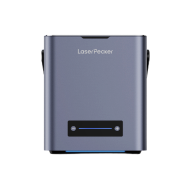
If you want permanent and precise markings on golf balls, using a laser engraving machine can be one of the most effective solutions. The LaserPecker LP2 Plus is designed for high-speed engraving and works especially well for small round objects like golf balls.
Why the LP2 Plus Works Well for Golf Ball Marking
-
Feature 1: High-Speed Engraving
The LP2 Plus can engrave at speeds of up to 4,000 mm/s, making it significantly faster than earlier models. This allows golf clubs, coaches, or event organizers to mark multiple balls quickly with logos, initials, or alignment lines. -
Feature 2: 10W Laser for Clear Markings
Equipped with a 10W diode laser, the LP2 Plus can engrave sharp and visible markings on coated golf balls. The higher power helps produce deeper and clearer marks while maintaining clean edges. -
Feature 3: Precise Alignment System
Because golf balls are small and curved, accurate positioning is essential. The dual red-dot focus system helps users place the engraving exactly where it is needed, whether for a straight alignment line or a centered logo. -
Feature 4: SpinTrack™ Rotary Support
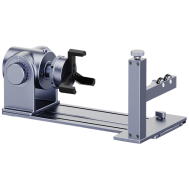
Golf balls require smooth rotation during engraving. The optional SpinTrack™ rotary module allows the ball to rotate evenly during the engraving process, ensuring consistent markings without distortion. -
Feature 5: Portable and Flexible Setup
The LP2 Plus is compact and portable, making it suitable for pro shops, training centers, retail customization services, or golf events where on-site personalization may be needed. -
Feature 6: Expandable Accessories
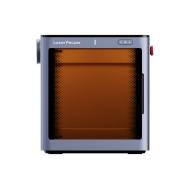
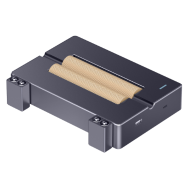
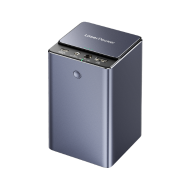
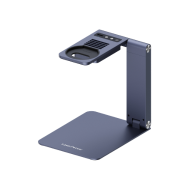
The system supports accessories such as the Rotary Extension, Slide Extension, Standard Enclosure, and Air Purifier. These options allow users to expand capabilities as their customization needs grow.

With its speed, precision, and compatibility with round objects, the LaserPecker LP2 Plus provides a reliable solution for engraving alignment lines, initials, or custom designs on golf balls.
FAQs: Hot Questions about Golf Ball Marker Tool
Q1: Is laser engraving suitable for all types of golf balls?
Laser engraving works well on most modern golf balls, especially new ones with coated surfaces. It is recommended to adjust the laser settings according to the material and test on a spare ball before engraving your final design.
Q2: How do I choose the right golf ball marker tool?
The best tool depends on your needs. Pens and simple markers are convenient for quick markings, while alignment tools help improve putting accuracy. If you want permanent and professional-looking customization, laser engraving provides a more durable solution.
Q3: What makes laser engraving better than traditional marking methods?
Laser engraving creates markings that are permanent and resistant to fading. It also allows more design flexibility, including detailed logos, patterns, or alignment lines, making it a reliable option compared to ink, paint, or stickers.
Conclusion
Golf ball marking has evolved from simple ink lines to precise and permanent engraving. While traditional methods such as markers or stamps are still commonly used, they can fade over time and offer limited customization.
Laser engraving provides several clear advantages:
- Higher precision for clean alignment lines and detailed designs
- Long-lasting markings that resist fading or smudging
- Professional appearance with sharp and consistent results
- Full customization for names, logos, symbols, or alignment guides
For golfers who want accurate markings and durable personalization, laser engraving tools such as the LaserPecker LP2 Plus offer a modern and efficient solution. They combine alignment, identification, and style in a single process, making them useful for individual golfers as well as clubs and customization businesses.