




















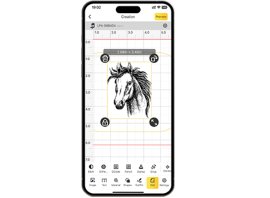





















Making good name tags is harder than it looks. The engraving method impacts how easy they are to read, how long they last, how fast you can make them, and how much they cost. Now, in 2026, there are lots of machine choices, but not all are good for engraving name tags.
This guide looks at the main types of engraving machines for name tag. It compares what each can and can't do. I'll explain why laser engravers, mostly fiber-based ones, have become the top pick for many people.

In this article:
- Part 1: 5 Types of Name Tag Engraving Machines
- Type 1: Name Tag Laser Engraver
- Type 2: Rotary / CNC Name Tag Engraver
- Type 3: Handheld Electric Engraving Pen
- Type 4: Impact Marking Machines for Metal Name Tags
- Type 5: Cricut Machines for Name Tags
- Part 2: How to Choose the Right Name Tag Engraver Machine?
- Part 3: Best Choice for Most People - Name Tag Laser Engraver
- Part 4: FAQs about Name Tag Engravers
Part 1: 5 Types of Name Tag Engraving Machines
Type 1: Name Tag Laser Engraver
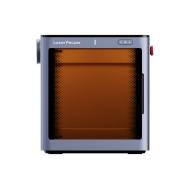
Laser engravers use a laser beam to mark materials without touching them. The laser changes the surface to create words, logos, or codes.
They're popular for making name tags because they offer:
- Very fine detail
- Consistent results
- Quick, automatic processes
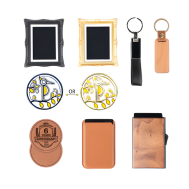
Laser engravers work with many materials, such as wood, acrylic, coated metals, and steel
Type 2: Rotary / CNC Name Tag Engraver
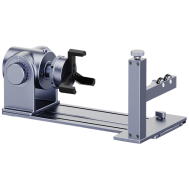
These engravers use spinning bits that physically cut into the material. Software controls the tool's path, like CNC milling.
They can engrave deeply and permanently, mainly on plastics and metals, but keep in mind:
- Bits wear down and need replacing
- They take longer to set up
- Small details can be hard to achieve
Type 3: Handheld Electric Engraving Pen for Name Tag
These are manual tools with a vibrating tip. You write or draw designs onto the surface yourself.
To use them, the leather is usually placed on a cutting mat, the pattern is traced or marked, and a ruler or template is used as a guide. The user controls cutting depth and direction by adjusting pressure and angle, often making several passes for thicker leather. This method is simple and flexible, but clean results depend heavily on blade sharpness and hand control.
They're:
- Cheap
- Portable
- Easy to get
But they aren't precise, consistent, or fast, so they're not great for making name tags professionally or in large numbers.
Type 4: Impact Marking Machines for Metal Name Tags
Impact markers use force-pins or hammers-to make dents in metal.
They're often used in factories where strength is more important than looks. The markings last, but you can't do much with design.
Type 5: Cricut Machines for Name Tags
Cricut machines are primarily cutting machines, best known for working with vinyl, paper, cardstock, and thin plastics. With the engraving tip attachment, Cricut can also engrave lightweight materials such as acrylic sheets, metal blanks, and coated surfaces, which makes it possible to create decorative or layered name tags.
However, Cricut engraving is surface-level and pressure-based, not laser-based. The engraved marks are relatively shallow and mainly decorative, which limits durability and the depth of detail. Material options are also more restricted compared to laser engraving, especially for harder materials or long-term outdoor use. As a result, Cricut works well for craft-style or temporary name tags, but it's not ideal when you need deep, permanent, or highly detailed engravings.
Comparison Table of Name Tag Engravers
| Machine Type | Supported Materials | Detail Level | Batch Consistency | Maintenance | Best For |
|---|---|---|---|---|---|
| Laser Engraver | Wood, acrylic, leather, metal | Very high | Excellent | Low | Professional & custom name tags |
| Rotary/CNC | Plastic, metal | Medium | Good | Medium-High | Deep engraved signage |
| Engraving Pen | Most surfaces | Low | Poor | Low | One-off DIY |
| Impact Marker | Metal only | Low | High | Medium | Industrial tags |
| Cricut | Paper, vinyl, thin plastic | Medium | Good | Low | Decorative name tags |
From the comparison, the laser engraver stands out as the most balanced solution - combining precision, speed, consistency, and material flexibility.
Part 2: How to Choose the Right Name Tag Engraver Machine?
Rather than jumping straight to brands, start by thinking about what you actually need the machine to do.
#1: Choose by Material
Different materials require different engraving methods:
- Acrylic and plastic: You want clean edges and controlled heat.
- Metals: You need high-energy marking or engraving.
- Wood and leather: Fine detail is important without tearing or surface damage.
Laser engravers can handle these materials easily with simple adjustments.
#2: Precise Detail Requirements
If your name tags include:
- Small fonts
- Company logos
- QR codes or serial numbers
Then you'll need a machine with high precision. Poor resolution can make small text or codes difficult to read.
#3: Batch Workflow
If you're producing many name tags for schools, offices, events, or selling them commercially, repeatability becomes essential. Automated engraving ensures every tag is produced consistently and matches the others.
#4: Safety & Workspace
Some machines require good ventilation, noise control, or safety enclosures. Compact laser engravers with proper enclosures and filtration systems can work very well in small workshops, studios, or retail stores.
#5: Total Cost of Ownership
Consider the long-term costs after purchasing the machine:
- Replacing tools
- Calibration and maintenance
- Material waste
- Production time for each job
Laser engravers often save money over time because they require fewer consumables and reduce the chances of production errors.
Part 3: Best Choice for Most People - Name Tag Laser Engravers
If you're looking for the best way to make name tags—especially when quality and speed matter—laser engravers are a great choice for many users.
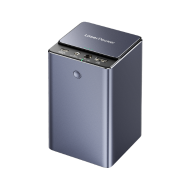
Why the LP5 Laser Name Tag Engraver Is a Good Option
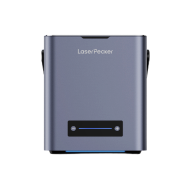
Let's take the LP5 as an example to understand why laser engraving works so well for producing name tags:
Reason 1: Detailed and Precise
Even very small text, thin lines, logos, and QR codes can be engraved clearly and accurately.
Reason 2: Consistent Results
Because each name tag is produced from the same digital file, every piece has the same size, depth, and appearance.
Reason 3: Gentle Processing
The laser does not physically touch the material, which reduces the risk of damage and minimizes material waste.
Reason 4: Works With Many Materials
- Leather
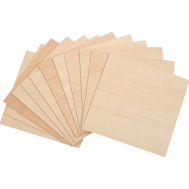
- Wood
- Acrylic
- Stainless steel
- Aluminum
- Coated metals
Reason 5: Easy to Customize
You can automatically engrave different names, serial numbers, or text without slowing down production.
If you produce name tags professionally—or plan to scale production—laser engraving offers one of the best balances of precision, efficiency, and flexibility.
Part 4: FAQs about Name Tag Engravers
Q1: Can lasers engrave acrylic and plastic name tags?
Yes, laser machines work very well with acrylic and many types of plastic. When the settings are properly adjusted, lasers can produce clean text, sharp details, and smooth edges, making them ideal for professional-looking name tags.
Q2: What file formats work best for name tag engraving?
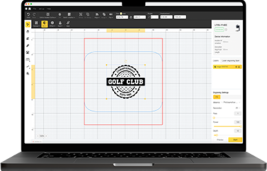
Vector file formats such as SVG, AI, and DXF work best for engraving text and graphics. These formats preserve sharp edges and accurate dimensions, ensuring the final engraving looks clean and properly scaled.
Q3: Which material is best for name tag engraving?
The best material depends on your needs. Acrylic is lightweight and visually appealing, metal is durable and long-lasting, while wood or leather can create a more natural or handcrafted appearance.
Q4: Can you use a Cricut for name tags?
Cricut machines can cut and decorate name tags, and with the engraving tip they can create light marks on certain materials such as acrylic or metal blanks. However, this type of engraving is pressure-based and relatively shallow, making it more suitable for decorative purposes. For deeper, more permanent, and professional-looking engraving—especially on harder materials or for long-term use—laser engraving remains the better choice.
Conclusion
Choosing the right name tag engraving machine depends on your materials, production needs, and the level of detail you want to achieve. In this guide, we explored several common options—from handheld engraving pens for simple DIY projects to rotary and CNC machines for deeper cutting, as well as impact markers used for durable metal identification.
For most people, especially those who value precision, flexibility, and efficiency, laser engravers stand out as the most practical solution. They can work with a wide range of materials such as acrylic, metal, wood, leather, and coated metals, while delivering sharp text, clear logos, and consistent results across batches.
Laser engraving also simplifies the workflow. With digital design files, you can quickly customize names, serial numbers, or company logos without slowing production. Combined with low maintenance and minimal consumables, laser engravers provide an efficient and scalable solution for businesses, workshops, and creators.
Whether you're producing a few personalized name tags or running a growing customization business, selecting the right engraving machine will help you achieve professional results while saving time and effort in the long run.