






















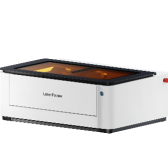
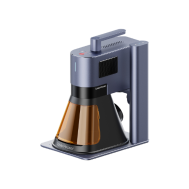

Part marking machines are widely used in manufacturing, industrial production, and product identification to create permanent markings such as serial numbers, QR codes, barcodes, logos, and traceability information.
Different marking technologies offer different advantages in terms of precision, speed, durability, and material compatibility.
In this guide, we will compare the main types of part marking machines and explore why laser marking systems have become one of the most popular solutions for modern industrial marking.

In this article:
- Part 1: What Is the Part Marking Machine
- Part 2: 3 Types of Part Marking Machines
- Type 1: Inkjet Marking Machines for Parts
- Type 2: Dot Peen Marking Machines for Parts
- Type 3: Laser Marking Machines for Parts
- Part 3: Why Laser Marking Machines Are Best for Part Marking
- FAQs: Hot Questions about Part Marking Machines
Part 1: What Is the Part Marking Machine
A part marking machine is used to create permanent markings on industrial parts, components, and products. These markings may include serial numbers, logos, barcodes, QR codes, batch numbers, product information, and traceability data.
Part marking is widely used in manufacturing, automotive, aerospace, electronics, medical devices, and industrial production. Permanent markings help improve product identification, inventory management, quality control, and traceability throughout the product lifecycle.
Depending on the marking technology, part marking machines can work with materials such as metal, plastic, acrylic, coated surfaces, wood, and other industrial materials.

Part 2: 3 Types of Part Marking Machines
Different part marking machines use different technologies to create markings on industrial parts and components. Each machine type offers unique advantages in terms of speed, durability, precision, and material compatibility.
Below are three of the most common types of part marking machines used in industrial and manufacturing applications.
Type 1: Inkjet Marking Machines for Parts
Inkjet marking machines use ink droplets to print text, serial numbers, dates, barcodes, and product information directly onto part surfaces. These machines are commonly used in manufacturing and packaging industries for fast production-line marking.
Inkjet systems can mark on materials such as plastic, metal, cardboard, glass, and coated surfaces. They are especially suitable for high-speed production environments where quick and continuous marking is required.
Pros
- High-Speed Production: Suitable for continuous marking on fast-moving production lines.
- Works on Multiple Materials: Can mark plastic, metal, glass, cardboard, and coated surfaces.
Cons
- Less Durable Marking: Ink markings may fade, smear, or wear over time.
- Requires Consumables: Regular ink replacement and maintenance are necessary.
- Lower Resistance to Harsh Environments: Markings may be affected by chemicals, moisture, or abrasion.
Type 2: Dot Peen Marking Machines for Parts
Dot peen marking machines use a vibrating metal pin to create permanent markings by punching small dots into the surface of the part. These dots form text, serial numbers, barcodes, logos, and traceability information.
Dot peen systems are commonly used for industrial part marking on metal components because the markings are highly durable and resistant to wear, heat, and chemicals. They are widely used in automotive, aerospace, machinery, and heavy manufacturing industries.
Pros
- Permanent and Durable Markings: Resistant to scratches, heat, chemicals, and harsh environments.
Cons
- Limited Detail Quality: Fine graphics and small decorative designs are harder to produce.
- Noisy Operation: The marking process creates vibration and mechanical noise.
- Physical Contact with the Surface: The marking pin touches the material directly during operation.
Type 3: Laser Marking Machines for Parts
Laser marking machines use focused laser beams to create permanent markings on part surfaces without physical contact. These machines can mark serial numbers, QR codes, barcodes, logos, text, and traceability information with high precision.
Laser marking systems are widely used in automotive, aerospace, electronics, medical devices, tools, and industrial manufacturing because they provide fast, accurate, and durable marking results on a wide range of materials.
Pros
- High Precision Marking: Produces detailed text, logos, QR codes, and fine graphics with excellent clarity.
- Non-Contact Process: No physical contact reduces tool wear and minimizes material stress.
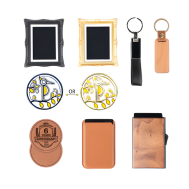
- Wide Material Compatibility: Can mark metal, plastic, coated materials, wood, leather, acrylic, and more.
- Permanent and Durable: Laser markings resist fading, scratches, heat, and chemicals.
Cons
- Different Lasers for Different Materials: Some materials require specific laser types for optimal results.
Part 3: Why Laser Marking Machines Are Best for Part Marking
| Machine Type | Precision | Speed | Contact Method | Best Materials | Complex Design Capability | Durability of Marking | Setup Cost |
|---|---|---|---|---|---|---|---|
| Inkjet Marking Machines | Medium | Very High | No | Plastic, Cardboard, Metal, Glass | Moderate | Medium | Low to Medium |
| Dot Peen Marking Machines | Medium | High | Yes | Metal | Limited | Very High | Medium |
| Laser Marking Machines | Very High | High | No | Metal, Plastic, Acrylic, Wood, Leather | Excellent | Very High | Medium to High |
Among the different part marking technologies, laser engraving machines stand out for their precision, flexibility, speed, and marking quality. While inkjet and dot peen systems are effective for certain industrial applications, laser engraving provides a more advanced solution for permanent and high-quality part marking.
Reason 1: High Precision and Fine Detail
Laser engraving machines can create highly detailed text, serial numbers, barcodes, QR codes, logos, and graphics with excellent clarity and readability.
Reason 2: No Physical Contact with the Material
Unlike dot peen systems, laser engraving is a non-contact process. This reduces material stress, mechanical vibration, and tool wear during operation.
Reason 3: Permanent and Durable Marking
Laser markings are highly resistant to scratches, heat, chemicals, moisture, and wear, making them suitable for industrial traceability and long-term identification.
Reason 4: Fast Design Changes and Customization
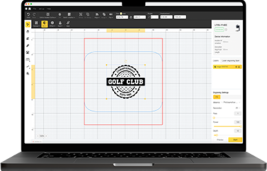
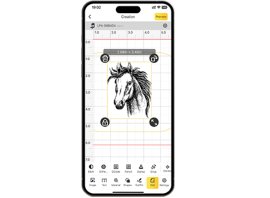
Laser systems follow digital design files, allowing users to quickly modify serial numbers, logos, product information, and layouts without changing physical tools or molds.
Reason 5: Wide Material Compatibility
Depending on the laser type, laser engraving machines can work with metal, plastic, acrylic, wood, leather, coated materials, and other industrial materials.
Reason 6: Clean Marking with Minimal Post-Processing
Laser engraving produces clean and accurate markings that often require little to no additional finishing work after processing.
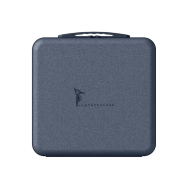
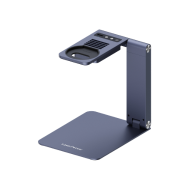
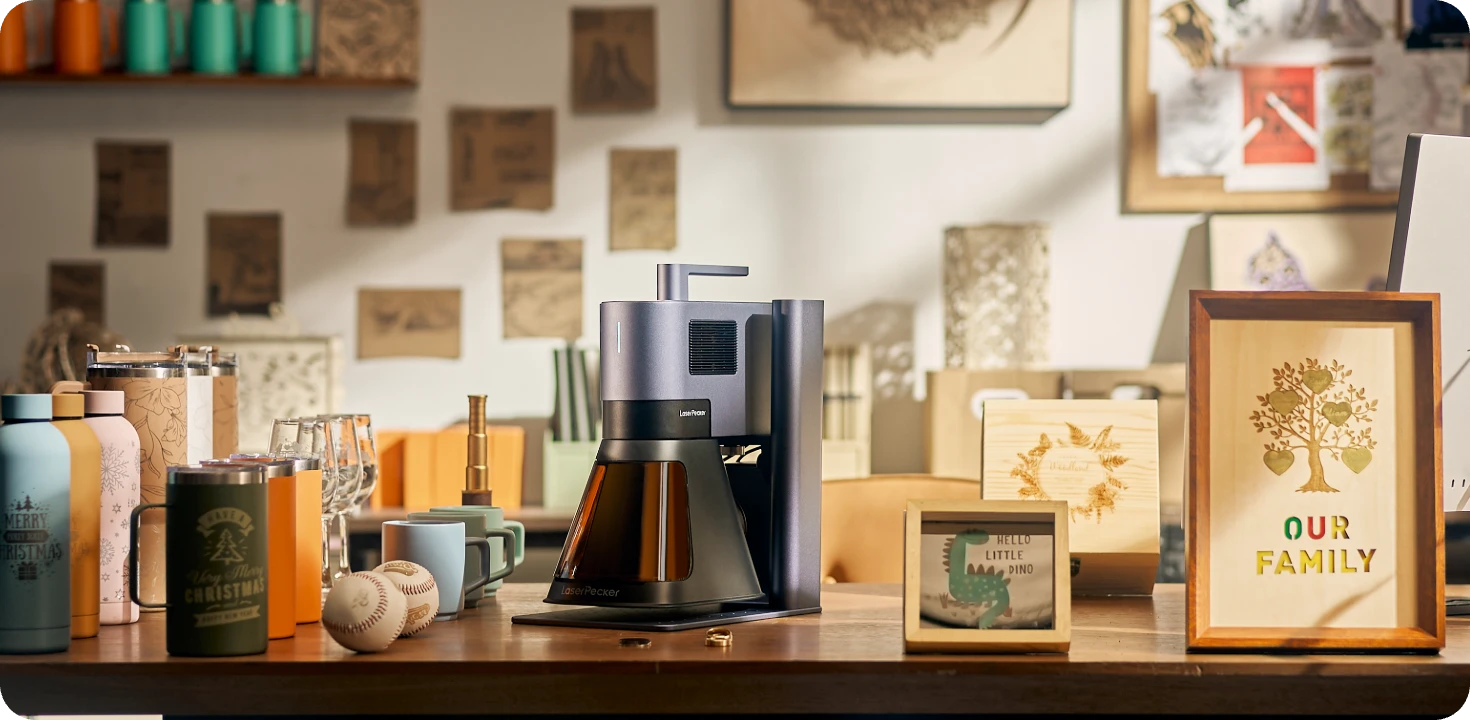
Recommended Laser Engraving Machine for Parts: LaserPecker LP5
The LaserPecker LP5 is a compact laser engraving machine designed for industrial part marking, traceability, branding, and custom engraving applications. Its dual-laser system and high-precision workflow make it suitable for marking metal parts, plastic components, tools, electronic products, and customized industrial items.
- Dual-Laser System: Combines a 20W fiber laser and a 20W diode laser, allowing marking on metal, plastic, acrylic, wood, leather, coated materials, and more.
- High Precision Marking: Produces detailed text, serial numbers, QR codes, barcodes, logos, and traceability markings with excellent clarity.
- Suitable for Industrial and Custom Applications: Supports industrial identification, product branding, decorative engraving, and personalized manufacturing projects.
- Fast Digital Workflow: Digital file control enables quick design changes and repeated production without changing physical tools or molds.
- Wide Material Compatibility: Works with stainless steel, aluminum, coated metals, plastic, acrylic, leather, wood, PLA, and other industrial materials.
- Compact and Workspace-Friendly: Its desktop-sized design makes it suitable for workshops, studios, makerspaces, and small production environments.
FAQs About Part Marking Machines
Q1: Is Laser Marking Permanent?
Yes. Laser marking is considered a permanent marking method because it alters the material surface directly rather than applying ink or labels on top of it.
Laser markings are highly resistant to scratches, chemicals, heat, moisture, and environmental wear, making them ideal for industrial traceability and long-term identification.
Q2: What Is the Best Marking Method for Metal Parts?
Laser marking is widely considered one of the best methods for marking metal parts because of its high precision, clean results, and long-lasting durability.
Dot peen marking is also commonly used for metal parts, especially when deep and highly durable markings are required. However, laser marking generally provides better detail quality and cleaner graphics.
Q3: How Much Does a Part Marking Machine Cost?
The cost of a part marking machine depends on the machine type, laser power, marking area, and production capabilities.
Laser marking machines typically have a higher initial cost, but they often require less maintenance and fewer consumables compared with ink-based systems.
Q4: Can One Machine Mark Multiple Materials?
Yes. Many modern laser marking machines can work with multiple materials, especially systems with dual-laser technology.
Machines such as the LaserPecker LP5 support marking on both metal and non-metal materials, helping users handle different applications with a single machine.
Conclusion
Different part marking machines are designed for different production needs, materials, and marking requirements. Inkjet systems are suitable for fast production-line printing, dot peen machines provide durable deep markings, and laser marking machines offer the best balance of precision, flexibility, and long-term durability.
Modern laser systems such as the LaserPecker LP5 make it easier to create high-quality markings on metal and non-metal materials for industrial, commercial, and custom applications.