
















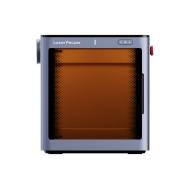
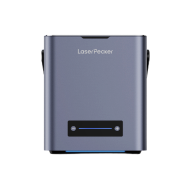
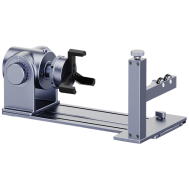
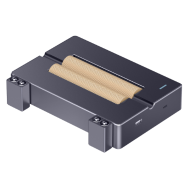

























Customizing tumblers is hot right now for gifts, business swag, or products. But getting sharp, consistent engravings on round surfaces is tricky. Lots of people run into problems like engravings that aren't deep enough, messy designs, and trouble working with different tumblers.
Picking the right laser engraving machine is key to dodging these issues. This guide will go over the best tumbler laser engraving machine for 2026, explain what kind of lasers are out there, and give you tips to get great results.

In this article:
- Part 1: Four Types of Laser Engraving Machines for Tumblers
- Type 1: Diode Laser Engraving Machine
- Type 2: IR Laser Engraving Machine
- Type 3: Fiber Laser Engraving Machine
- Type 4: CO₂ Laser Engraving Machine
- Part 2: How to Choose the Right Tumbler Laser Engraving Machine?
- Part 3: Top Tips for Perfect Tumbler Engraving
- Part 4: FAQs about Tumbler Laser Engraving Machine
Part 1: Four Types of Laser Engraving Machines for Tumblers
Type 1: Diode Laser Engraving Machine
Diode lasers work well on tumblers that have a coating or paint. They're great for engraving graphics, text, or patterns on surfaces like painted metal or aluminum. Most diode lasers use a 450 nm blue laser wavelength, which reacts well with coatings and anodized layers to create high-contrast surface marks. However, they can't engrave deeply into bare metal and are mainly used for surface-level marking rather than deep engraving.
Recommended Product: LaserPecker LP2 Plus
- Pro-Fast Engraving Speed: Up to 4,000 mm/s, around 6× faster than the original LP2, ideal for batch engraving and custom tumbler orders.
- 10W 450nm Diode Laser: Optimized for coated tumblers, painted metal, and anodized aluminum-perfect for sharp logos, text, and graphic designs.
- SpinTrack™ Module Support: Works with the electric roller to engrave tumblers and bottles smoothly around the full circumference without seams.
- Dual Red-Dot Focus System: Fast and accurate focusing, making setup easy even for beginners.
- Wide Material Compatibility: Supports 100+ materials, including coated metals, wood, leather, acrylic, and plastics-useful beyond tumbler projects.
- Portable, Multi-Angle Design: Flexible positioning for different workspace setups and angled engraving needs.
- Expandable Accessory Ecosystem: Compatible with rotary, slide extension, enclosure, and air purifier for more advanced workflows.
Best for makers focused on coated tumblers and surface engraving. For frequent deep engraving on bare stainless steel, a fiber laser solution is more suitable.
Type 2: IR Laser Engraving Machine
Infrared (IR) lasers can mark both coated and bare tumblers. An IR laser typically refers to a 1064nm infrared wavelength, which is commonly used for engraving metals, certain plastics, and coated materials.
While it does work on uncoated metal tumblers, the engraving result is usually shallow and low-contrast, making it less ideal for bold or deep markings. That said, IR lasers are extremely versatile and well-suited for fine surface details, logos, and mixed-material projects where flexibility matters more than depth.
Recommended Product: LaserPecker LP4
- Two Lasers: It has a 10W blue diode laser and a 2W IR laser, so it can mark and cut over 300 types of material.
- 10W 450nm Diode Laser: Optimized for coated tumblers, painted metal, and anodized aluminum-perfect for sharp logos, text, and graphic designs.
- Angle Engraving: Change the laser's angle to match the curve of the tumbler without moving the tumbler.
- Fast and Detailed: Marks at up to 4000mm/s with 8K resolution, for sharp designs.
- Software: It can work with LightBurn and LaserPecker Design Space.
The LaserPecker LP4 is a balance between being useful and giving good detail, which is good if you want to mark tumblers with different coatings.
Type 3: Fiber Laser Engraving Machine
Fiber lasers are one of the strongest for tumbler engraving. They can deeply engrave both coated and uncoated metals. Fiber lasers can also do color engraving on some materials. They're good for stainless steel, aluminum, or titanium tumblers.
Recommended Product: LaserPecker LP5
-
Dual-Laser Power for Any Tumbler Material
The LP5 combines a 20W fiber laser and a 20W diode laser, allowing you to engrave both coated and bare metal tumblers with one machine. Use the fiber laser for deep, high-contrast engraving on stainless steel or titanium tumblers, and switch to the diode laser for painted, powder-coated, or colored tumblers without changing equipment. -
Deep, High-Contrast Engraving That Stands Out:
For uncoated stainless steel tumblers, the fiber laser delivers deep engraving and even 3D embossed effects, ensuring logos, text, and patterns remain clearly visible after daily use, washing, and outdoor exposure. -
Industrial-Speed Engraving for Batch Orders:
With engraving speeds of up to 10,000 mm/s, the LP5 is ideal for small businesses and bulk tumbler customization, allowing you to complete multiple cups quickly while keeping results consistent. -
Rotary-Ready for Perfect Wrap-Around Designs:
Paired with a rotary attachment, the LP5 engraves full-wrap designs around tumblers, mugs, and bottles smoothly, eliminating distortion or uneven depth on curved surfaces. -
Compact, Enclosed, and Indoor-Safe:
Despite its industrial engraving capability, the LaserPecker LP5 remains compact and lightweight, and when used with its enclosure, it's safe for home studios, retail shops, and maker spaces, making it practical for everyday tumbler engraving work.
The LP5 is great for professional shops that need to make a lot of product and create both surface and deep marks on metal tumblers. Fiber lasers like the LP5 require more setup knowledge and a higher upfront budget, which may be overkill for casual users.
Type 4: CO₂ Laser Engraving Machine
CO₂ lasers are the best with coated tumblers or plastics. They don't work on uncoated metal because the laser can't mark the surface without coatings. So, I don't recommend specific CO₂ laser machines as the primary choice for metal tumbler engraving.
However, the CO₂ laser engraving method itself is still workable for certain tumbler applications. If the tumbler has a plastic shell, acrylic surface, or a painted / powder-coated metal exterior, a CO₂ laser can produce clean and visible engraving results. That said, for bare metal tumblers or projects that require fine detail and long-term durability, diode, IR, and fiber lasers are generally the better and more reliable options.
Comparison Table
| Laser Type | Best For | Surface Compatibility | Pros | Cons | Recommended Product |
|---|---|---|---|---|---|
| Diode Laser | Coated tumblers | Lacquered metals, anodized aluminum | Low-cost, clear surface marks | Cannot engrave bare metal | LP2 Plus |
| IR Laser | Coated & uncoated metals | Painted or bare metals | Versatile, multi-angle marking | Shallow engraving on bare metals | LP4 |
| Fiber Laser | Coated & uncoated metals | Stainless steel, titanium, aluminum | Deep engraving, color engraving | Expensive, requires expertise | LP5 |
| CO₂ Laser | Coated plastic / metal | Lacquered surfaces, acrylic | Works well with non-metal materials | Cannot engrave bare metals | Not recommended |
In short, when picking a laser for your tumbler, think about what the tumbler is made of and the kind of marking you want. If you're new to this or mostly work with coated tumblers, diode lasers like the LaserPecker LP2 Plus are a great, easy choice because they're quick and dependable. IR lasers, such as the LaserPecker LP4, give you wider options, allowing you to work on both coated and uncoated metals, and their multi-angle adjustment makes engraving curved tumblers easier.
For shops that handle higher volumes or demand speed and consistency, fiber lasers like the LaserPecker LP5 are worth considering. The LaserPecker LP5 is especially suitable for stainless steel tumblers when you want color engraving or deep, high-contrast engraving, while still delivering extremely fine detail at high speed. CO₂ lasers can work well on plastics or coated surfaces, but they're not ideal for metal tumblers. Choosing the right laser ensures better results, higher efficiency, and consistent quality over time.
Part 2: How to Choose the Right Tumbler Laser Engraving Machine?
When picking a laser engraver, think about what you want to do:
- 1. What kind of tumbler are you using? Is it coated, bare metal, or something special?
- 2. How detailed do you need the engraving to be? Are we talking fine lines, words, or logos?
- 3. How many do you plan to make? Just a few, or are you going big?
- 4. Do you need to engrave at different angles or use a rotary tool?
- 5. What's your budget? Diode lasers are cheaper, while fiber lasers are more high-end.
If you're doing this as a hobby, the LaserPecker LP2 Plus is a good deal and works well for detailed designs on coated tumblers. If you're a pro who works with different materials, the LaserPecker LP4, which uses both IR and diode tech, is a solid choice. For large jobs or top-notch engravings, especially on stainless steel or titanium tumblers, the LP5 is your best bet.
Part 3: Top Tips for Perfect Tumbler Engraving
Getting flawless results on a tumbler requires more than just pressing start on your laser-it's about preparation, precision, and knowing how to adjust your settings for each material and shape.
Use a Rotary Attachment for Consistent Results
To engrave designs on round tumblers, you'll need rotary tools. These rotate the tumbler, which helps keep your designs straight and spaced right.
Choose the Right Laser Power and Speed Settings
Finding the right power and speed is important for different tumblers. Too much power can burn the finish, but too little might make weak engravings. Testing your settings first is always a smart idea.
Proper Focus Adjustment Is Critical for Sharp Engraving
The laser's focus needs to be spot on. With curved tumblers, tweak the laser angle or use tools to help line things up, especially with LP4 or LP5 lasers.
Adjust Settings Based on Coated vs Uncoated Tumblers
Coated tumblers often need less laser power to avoid burns. Plain metal might need a few passes with fiber or IR lasers to get a dark, crisp result.
Test Engrave Before Final Production
Before engraving the whole thing, test a small spot. This helps you check your settings and alignment, and see how the final result will look.
Part 4: FAQs about Tumbler Laser Engraving Machine
Q1. What Laser Is Best for Tumblers?
The laser you want really depends on what your tumbler is made of, coupled with the depth of the cut you are trying to achieve. For coated or painted tumblers, a diode laser, like the LP2 Plus, is a great call. It will give those clean surface engravings without messing up the coating. If your tumbler is just plain metal, an IR laser, such as the LP4, could work, but it might not mark it very well. Fiber lasers, like the LP5, are your best choice when dealing with stainless steel, titanium, or aluminum. These lasers will give you those deep, clear engravings that will last. Making sure you pick the right laser will ensure your designs are accurate, tough, and look great.
Q2. Can You Engrave a Yeti Yourself?
Yes, you can engrave a Yeti, or any similar stainless steel tumbler, yourself. You can do this by making use of a desktop laser engraver, such as the LP4 or LP5. To make this work, you'll need a rotary tool to spin the tumbler while it is engraving. This will keep the design straight and even. Getting the focus right is really important. Another important thing is to make sure you do some practice runs so you don't end up with blurry or uneven marks. Another key point is to make sure the tumbler is clean, so there won't be any oils or dust getting in the way. You can get professional-looking results right at home just by following these steps, even if you're completely new to this.
Q3. Can Diode Lasers Engrave Metal Tumblers?
Diode lasers are a great option when engraving metal that has a coating or paint. They are perfect for giving a tumbler that personal touch with logos or text. Don't expect great cuts with plain metal, though, because they'll only make light or shallow marks that could fade fast. If working with metal that isn't coated, an IR or fiber laser is a better option for those deep, lasting engravings. Even with this issue, diode lasers are still a solid deal for hobbyists and small shops. They're quick and will give you accurate cuts for coated tumblers. On top of that, you don't need a bunch of extra equipment.
Q4. How Long Does It Take To Engrave A Tumbler?
How long it takes really depends on how big the tumbler is, what it's made of, and how detailed your design is. If you're using an LP4 or LP5 with a rotary tool on a regular-sized tumbler, expect it to be about 5–15 minutes per tumbler. Complex design, more passes, or deeper engravings usually take longer. Also, set up time, like getting the surface ready, lining everything up, and doing some test runs before the final cut, can tack on a few minutes. Planning and setting up will make sure your speed is at its max and still deliver great results.
Conclusion
Picking the perfect laser engraver for your tumblers can really boost how well and how fast you get things done. Diode lasers, such as LP2 Plus, are awesome on coated stuff. IR lasers, like LP4, are a good mix of doing many things precisely. Fiber lasers, like LP5, are top-notch for bare metals and doing a lot of items fast.
These machines come with cool stuff like rotary tools, different angle engraving, really sharp detail, and they are super speedy. So, marking logos, words, and cool designs on tumblers becomes simple and can be done over and over. If you get an LP2 Plus, LP4, or LP5, you're set, whether you are just doing it for fun, running a small shop, or making stuff on a big scale. You'll get great-looking, tough, and spot-on tumbler engravings.