























Bottle engraving machines are used to create permanent names, logos, patterns, dates, and custom designs on glass bottles, metal bottles, ceramic bottles, coated tumblers, and other drinkware.
Different engraving methods offer different results in terms of precision, speed, durability, material compatibility, and workflow. In this guide, we will compare the main types of bottle engraving machines and explain why laser engraving machines are one of the best choices for personalized bottle engraving.

In this article:
- Part 1: What Is a Bottle Engraving Machine
- Part 2: 3 Types of Brick Engraving Machines
- Type 1: Rotary Engraving Machines for Bottles
- Type 2: Sandblasting Machines for Bottles
- Type 3: Laser Engraving Machines for Bottles
- Part 3: Why Laser Engraving Machines Are Best for Bottles Engraving
- FAQs: Hot Questions about Bottles Engraving Machines
Part 1: What Is a Bottle Engraving Machine?
A bottle engraving machine is a tool used to engrave text, logos, patterns, names, dates, and custom designs on bottle surfaces. It is commonly used for personalized gifts, branded drinkware, wedding favors, promotional products, and custom packaging.
Bottle engraving can be done on different materials, including glass bottles like perfume bottles, stainless steel bottles like flasks & tumblers, aluminum bottles, ceramic bottles, and coated drinkware. Depending on the material and design needs, users may choose rotary engraving, sandblasting, CNC engraving, or laser engraving methods.
Unlike printed labels or stickers, engraved designs are more durable and create a premium, long-lasting appearance. This makes bottle engraving popular for both personal customization and small business production.
For round or curved bottles, many engraving machines use a rotary attachment to rotate the bottle during engraving. This helps keep the design aligned and consistent around the curved surface.

Part 2: 3 Types of Bottle Engraving Machines
Different bottle engraving machines use different methods to create permanent designs on glass, metal, ceramic, and coated drinkware. Each type has its own advantages in terms of precision, durability, workflow, and material compatibility.
Below are three common types of bottle engraving machines used for personalized gifts, branded drinkware, promotional products, and small business production.
Type 1: Rotary Engraving Machines for Bottles
Rotary engraving machines use a rotating cutting bit to carve text, logos, names, and patterns into bottle surfaces. This method is commonly used on metal bottles, coated bottles, nameplates, and some hard plastic drinkware.
For round bottles, the machine usually needs a rotary attachment or fixture to hold and rotate the bottle during engraving. This helps keep the design aligned on curved surfaces and improves engraving consistency.
Rotary engraving can create durable and visible markings, especially on metal or coated surfaces. However, because it is a contact-based process, it may not be ideal for fragile glass bottles or thin-walled containers.
Pros
- Durable Markings: Creates physical engravings that are resistant to fading and peeling.
- Controlled Engraving Depth: Allows users to create visible cuts or surface markings on harder materials.
Cons
- Contact-Based Process: The cutting bit touches the bottle surface, which may cause slipping, vibration, or surface damage.
- Less Suitable for Fragile Glass: Thin or delicate glass bottles may crack or chip during engraving.
- Limited Fine Detail: Very small text and complex graphics can be harder to produce cleanly.
- Tool Wear: Cutting bits gradually wear down and need replacement.
Type 2: Sandblasting Machines for Bottles
Sandblasting machines engrave bottles by using high-pressure abrasive particles to etch designs into the bottle surface. A stencil or masking film is first applied to the bottle, and the exposed areas are blasted to create frosted text, logos, patterns, or decorative graphics.
This method is especially popular for glass bottles, wine bottles, whiskey bottles, perfume bottles, and decorative drinkware. Sandblasting creates a classic frosted engraving effect that is highly durable and resistant to fading or peeling.
Compared with rotary engraving, sandblasting is generally safer for fragile glass bottles because it does not use direct cutting tools. However, the process requires extra equipment such as air compressors, abrasive materials, protective gear, and stencil preparation.
Pros
- Excellent Frosted Effect: Creates clean and professional-looking frosted engravings on glass bottles.
- Durable Results: Engraved designs resist fading, peeling, and moisture.
Cons
- Requires Stencils: Custom stencil preparation increases setup time for each design.
- Messy Workflow: Abrasive blasting creates dust and requires cleanup.
- Limited Fine Detail: Extremely small text and intricate graphics may be harder to reproduce compared with laser engraving.
Type 3: Laser Engraving Machines for Bottles
Laser engraving machines use focused laser beams to engrave text, logos, patterns, photos, and custom designs onto bottle surfaces without physical contact. This method is widely used for personalized drinkware, branded bottles, wedding gifts, promotional products, and custom business engraving.
Laser engraving can work on glass bottles, stainless steel bottles, coated tumblers, aluminum bottles, ceramic bottles, and other curved drinkware. Many laser engraving systems use a rotary attachment to rotate the bottle during engraving, helping maintain accurate alignment on round surfaces.
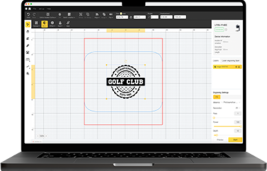
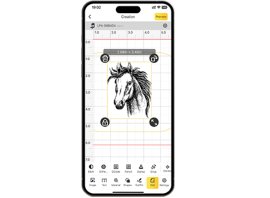
Compared with rotary engraving and sandblasting, laser engraving offers a faster digital workflow and supports highly detailed customization. Users can easily import names, logos, photos, QR codes, and vector graphics directly into the engraving software without preparing physical stencils or cutting tools.
Pros
- High Precision: Produces detailed text, logos, graphics, and decorative patterns with clean engraving quality.
- Non-Contact Process: No cutting bit touches the bottle surface, reducing vibration and mechanical stress.
- Wide Material Compatibility: Can engrave glass, stainless steel, coated tumblers, aluminum, ceramic, and more depending on the laser type.
- Excellent for Personalized Products: Ideal for custom gifts, branded bottles, event products, and small business production.
Cons
- Higher Initial Cost: Laser engraving machines are usually more expensive than basic manual engraving methods.
- Rotary Attachment Often Needed: Curved bottles usually require a rotary accessory for proper engraving alignment.
Part 3: Why Laser Engraving Machines Are Best for Bottle Engraving
| Machine Type | Precision | Speed | Best Materials | Complex Design Capability | Durability of Engraving |
|---|---|---|---|---|---|
| Rotary Engraving Machines | Medium | Medium | Metal Bottles, Coated Bottles, Hard Plastic | Moderate | Very High |
| Sandblasting Machines | Medium to High | Medium | Glass Bottles, Decorative Glassware | Good | Very High |
| Laser Engraving Machines | Very High | High | Glass, Stainless Steel, Coated Tumblers, Aluminum, Ceramic | Excellent | High |
Among the different bottle engraving methods, laser engraving machines offer the best balance of precision, speed, flexibility, and material compatibility. Rotary engraving can create durable marks but may not be ideal for fragile glass, while sandblasting creates a frosted effect but requires stencils, abrasives, and extra cleanup.
Laser engraving provides a cleaner digital workflow. Users can import names, logos, photos, QR codes, and vector designs directly into the software, then engrave bottles with consistent results and minimal setup.
Reason 1: High Precision for Custom Designs
Laser engraving machines can create detailed names, logos, patterns, photos, and small text with clean edges. This makes them ideal for personalized wine bottles, branded drinkware, wedding gifts, promotional products, and custom packaging.
Reason 2: Non-Contact Engraving Process
Laser engraving does not require a cutting bit to touch the bottle surface. This reduces vibration, tool wear, and mechanical stress, which is especially helpful when working with glass bottles or curved drinkware.
Reason 3: Works with Many Bottle Materials
Depending on the laser type and settings, laser engraving machines can work with glass bottles, stainless steel bottles, coated tumblers, aluminum bottles, ceramic bottles, and other drinkware materials.
Reason 4: Great for Curved Bottle Surfaces
When used with a rotary attachment, a laser engraving machine can rotate the bottle during engraving. This helps keep designs aligned on curved surfaces and produces cleaner, more consistent results.
Reason 6: Ideal for Personalized and Business Use
Laser engraving is suitable for custom gifts, branded merchandise, event products, corporate drinkware, and small business production. It allows users to create premium-looking engraved bottles with repeatable quality.
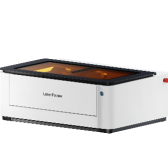
Recommended Laser Engraving Machine for Bottle: LaserPecker LP4
The LaserPecker LP4 is a compact dual-laser engraver designed for custom bottle engraving, personalized drinkware, branded packaging, and gift customization. It combines a 10W diode laser and a 2W infrared laser, allowing users to work with different bottle materials and surface finishes.
For bottle engraving, the LP4 is suitable for names, logos, dates, monograms, decorative patterns, and small custom artwork. When used with a rotary extension, it can engrave round and curved bottles with better alignment and more consistent results.
- Dual-Laser System for Different Bottle Materials: Combines a 10W diode laser and a 2W infrared laser. The diode laser is useful for tinted glass, color-glaze ceramics, wood, leather, acrylic, and coated surfaces, while the infrared laser works well on metals, plastics, leather, and painted or coated materials.
- Rotary Extension Support: Works with a rotary accessory to engrave round bottles, tumblers, cups, and other curved drinkware with better positioning and consistency.
- High-Speed Galvo Engraving: Supports fast engraving up to 4,000 mm/s, helping improve workflow efficiency for personalized bottle projects and small-batch production.
- High Precision for Custom Details: Suitable for fine text, logos, monograms, dates, decorative patterns, and personalized bottle designs.
- Compact and Portable Design: Fits well in home studios, gift shops, craft spaces, pop-up customization services, and small creative businesses.

FAQs: Hot Questions About Bottle Engraving Machines
Q1: What Bottles Can Be Engraved?
Bottle engraving machines can work with many types of drinkware and containers, including glass bottles, wine bottles, whiskey bottles, stainless steel tumblers, aluminum bottles, ceramic bottles, coated bottles, and insulated drinkware.
Q2: Is Bottle Engraving Permanent?
Yes. Engraved bottle designs are generally permanent because the engraving changes or removes part of the bottle surface instead of applying a printed layer.
Properly engraved bottles are resistant to fading, peeling, and normal washing conditions.
Q3: Do You Need a Rotary Attachment for Bottle Engraving?
In most cases, yes. rotary attachment help rotate round or curved bottles during engraving, which improves alignment and engraving consistency.
They are especially useful for laser engraving machines when working on tumblers, wine bottles, cups, and cylindrical drinkware.
Q4: Can One Laser Machine Engrave Different Bottle Materials?
Yes. Many modern laser engraving machines support multiple materials depending on the laser type.
Machines such as the LaserPecker LP4 combine diode and infrared lasers, allowing users to engrave different bottle materials including coated drinkware, metal bottles, tinted glass, ceramic surfaces, and more.
Conclusion
Bottle engraving machines make it easy to create permanent names, logos, patterns, and custom designs on glass, metal, ceramic, and coated drinkware.
Rotary engraving and sandblasting are useful for specific applications, but laser engraving machines offer the best balance of precision, speed, flexibility, and clean digital workflow for personalized bottle engraving.